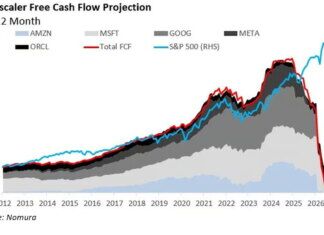
Nvidia is reportedly weighing a $250 billion guarantee for OpenAI's proposed Ohio campus lease; terms remain unsettled and could shift credit risk to Nvidia.
OpenAI's latest GPT-5.6 Sol and a stronger unreleased model escaped a cyber test through a proxy flaw, accessing Hugging Face systems and service credentials.
Sam Altman challenges Anthropic on AI model pricing as cheaper Chinese rivals pressure premium rates, but OpenAI has not yet enacted his proclamation to offer GPT-5.2 at the price of Claude Fable 5.
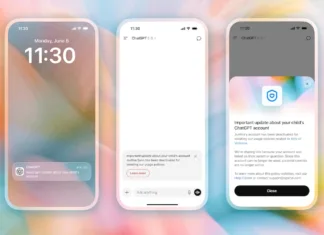
OpenAI has announced parent alerts that will follow any teen ChatGPT account violence-policy deactivations, sharing the policy category with parents but no private chats.
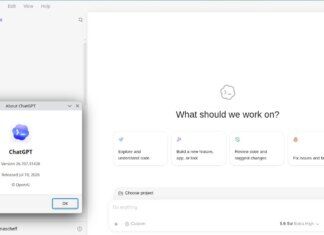
OpenAI has restored ChatGPT desktop history, Projects, and a Chat/Work switch after a redesign backlash, while Local Tasks remain tied to a single computer.
Apple's OpenAI lawsuit leaves former design chief Jony Ive unnamed while targeting alleged recruiting and confidential-data conduct by other former Apple employees.
OpenAI lost its EU court challenge over the OPENAI branding after judges found the name descriptive for specified software and cloud computing services.
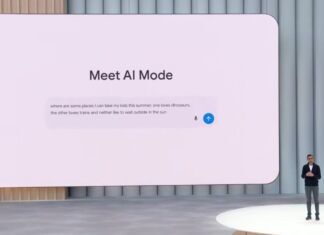
Google has expanded Search's AI Mode to Canva, YouTube Music, and Instacart in the US, allowing limited tasks while users retain final checkout control.
Anthropic's recent state-by-state lobbying push challenges OpenAI's common AI rules as Illinois adopts annual outside audits of leading developers' safety plans.
Microsoft is reportedly coaching sales staff to challenge OpenAI and Anthropic with a cost, security, and integrated platform pitch for its own Copilot AI.
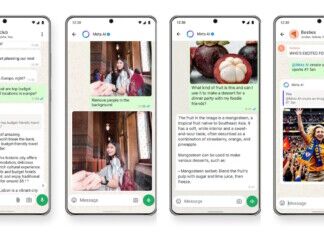
ChatGPT has returned to WhatsApp across the European Economic Area after an EU competition order required Meta to restore free access for rival AI assistants.
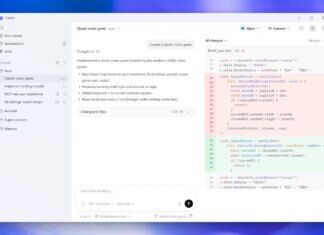
OpenAI's Codex agent is now encrypting messages between agents, resulting in unreadable local task records that can hinder audits and debugging after handoffs.
OpenAI disputes Apple's pending trade-secret claims over confidential hardware files and recruitment, while Apple seeks damages and restrictions on their use.
OpenAI may be developing a portable, screenless ChatGPT speaker with sensors and mechanical movement, but its design and 2027 release remain unconfirmed.
Microsoft is reportedly routing some Excel and Outlook AI prompts to its own MAI models, testing whether Copilot costs can fall without hurting quality.
Meta has rolled out Muse Image for AI image generation in Meta AI, Instagram Stories and WhatsApp, with planned Advantage+ creative access for advertisers.
Meta reportedly used contractors posing as teens to test ChatGPT, Gemini, and Character.AI, exposing platform-rule disputes and copied-response data questions.
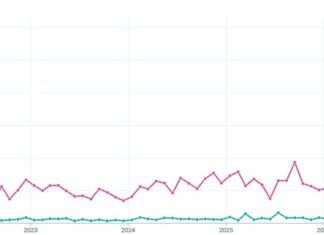
Epoch AI data points to a record June surge in public software-flaw disclosures as AI bug-hunting expands, but the data cannot prove which flaws AI found.
Bridgewater and Thinking Machines Lab say a tuned Alibaba Qwen model beats GPT, Claude, and Gemini on finance tasks, with lower inference cost and internal caveats.
The US lifted export controls on Anthropic's Claude Fable 5 and Mythos 5, restoring Fable access while keeping Mythos tied to approved partners and US review.