AI Image Generation — Latest News and Analysis
Coverage of AI image generators including DALL-E, Midjourney, Stable Diffusion, and emerging visual AI models.
The Latest News About AI Image Generation
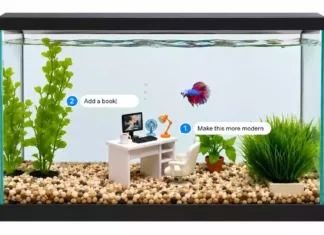
OpenAI's ChatGPT Images 2.5 model preserves more original details when users revise an image’s setting, style or composition.
Meta’s ad checks allowed hundreds of paid ads containing CSAM material or promoting AI sexualization tools, prompting US and Australian scrutiny.
Black Forest Labs has launched FLUX 3 with support for 20-second video generation with synchronized audio.
San Francisco has requested Apple and Google remove 13 nudification apps that create nonconsensual nude images.
Google plans a personalized Google Images discovery gallery with saved collections for web and AI generated images.
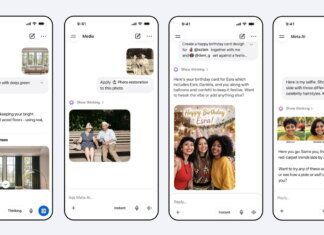
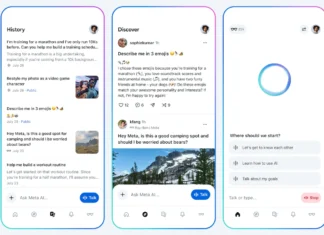
Meta has removed Instagram's public-profile AI likeness option after consent backlash, while its Muse Image generator and other image tools remain available.
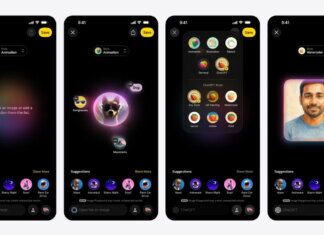
Meta has rolled out Muse Image for AI image generation in Meta AI, Instagram Stories and WhatsApp, with planned Advantage+ creative access for advertisers.
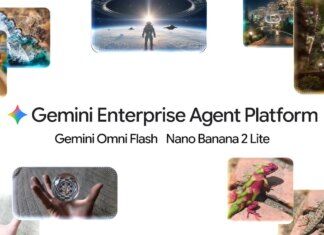
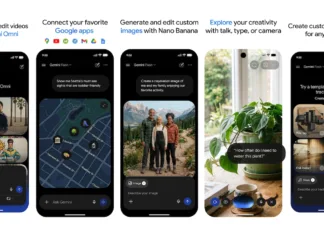
Google has released Nano Banana 2 Lite and Gemini Omni Flash in preview, pairing lower-cost image generation with short-video editing for developers.
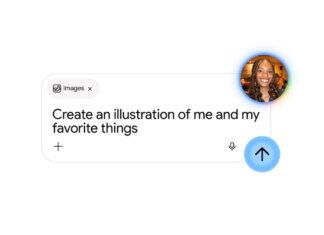
Google Gemini has opened free opt-in personalized image generation to eligible U.S. users, with account-data controls and rollout limits shaping access.
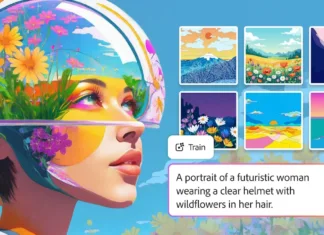
Adobe Firefly now offers project memory and reusable assets in private beta, helping creators resume campaigns while rivals push persistent AI design workspaces.
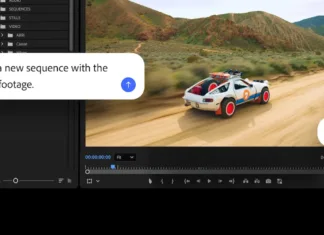
Adobe has opened Creative Cloud AI Assistant public beta in major Creative Cloud apps, automating setup, layout, and review while beta limits remain open.
Midjourney Medical is pitching an ultrasound AI body scanner, but diagnosis will remain tied to testing and regulatory clearance.
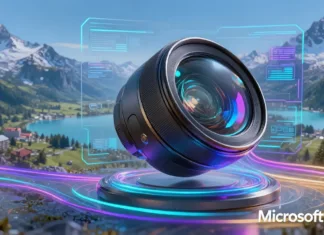
Microsoft Research's Lens text-to-image model uses dense captions and released code to test lower training compute.
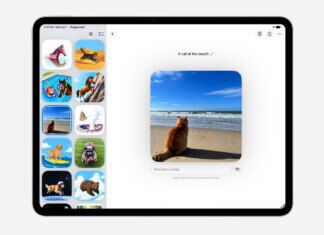
Apple's iOS 27 test build adds realistic AI images to Image Playground, with prompt editing, SynthID watermarks, and fall rollout limits for broader access.
A test by Meta showing AI generated story cards raises safeguard and transparency questions.
Microsoft has added seven MAI models to Foundry, giving developers private-preview access to reasoning, code, image, voice, and transcription tools for testing.
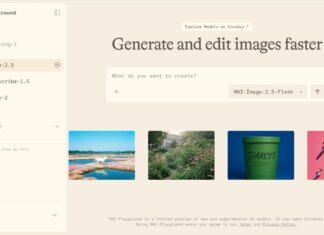
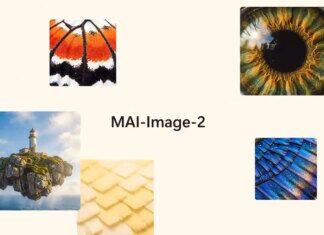
Microsoft has launched the MAI-Image-2.5 image generation model, with a top-three Arena claim, better text rendering, and a two-week rollout to Foundry and MAI Playground for testing.
Apple may finally fix Image Playground in iOS 27, with stronger Apple Foundation Models and possible third-party options aimed at better AI images for users.
CapCut has announced planned Gemini image and video editing, extending Google's AI creation push as launch timing and workflow details remain unclear.
OpenAI is adding Google SynthID watermarks to ChatGPT, Codex, and API images, combining hidden signals and C2PA metadata for origin checks in Search and Chrome.
Image AI launches beat chatbot upgrades on app growth, with visual features pulling bigger download spikes while ChatGPT captured the strongest revenue.
Google has added Nano Banana-powered personalized image generation to Gemini, using Photos and app context to create tailored visuals for U.S. subscribers.
A report has found Apple and Google steered users to nudify apps through App Store and Google Play search, ads, and autocomplete despite deepfake bans.
Microsoft has launched three in-house AI models — MAI-Transcribe-1, MAI-Voice-1, and MAI-Image-2 — through Foundry, undercutting OpenAI and Google on price.
Midjourney has revealed its annual revenue significantly surpassed $200 million, with the profitable AI image generator now eyeing hardware expansion.
OpenAI has launched ChatGPT Library, a persistent file storage hub for paid subscribers that saves uploaded documents across chat sessions.
Apple has developed RubiCap, an AI framework that trains compact models to generate image captions rivaling systems 10 times their size on key benchmarks.
Luma AI has launched Uni-1, an image model that tops human preference tests and costs up to 30 percent less than Google's Nano Banana at high resolution.
Adobe has opened Firefly Custom Models to public beta, letting creators and brands train the AI image generator on their own artwork for consistent output.
Microsoft has released MAI-Image-2, a text-to-image model ranking third on the Arena leaderboard, but daily caps and square-only output limit its appeal.