- Free U.S. Access: Google is making Gemini image personalization free for eligible U.S. users, with quotas still applying.
- Personalization Mechanism: Personal Intelligence combines Nano Banana, Google Photos, and opt-in account context to reduce manual prompt work.
- Control Limits: Users can adjust connected apps, while age rules, paid tiers, and regional gaps keep the rollout bounded.
- Market Context: Google is putting its account-data advantage against free ChatGPT image generation and Apple’s Image Playground.
Google has expanded deeply personalized image generation in Gemini to eligible U.S. free accounts starting June 29.Gemini, Google’s AI assistant app, now pairs Nano Banana, Google’s image-generation system inside Gemini, with Personal Intelligence, its permissioned personalization feature. Users still decide whether to connect account services, so the rollout is not global, unlimited, or a new standalone app.
For users, the trade-off is practical: Gemini can tailor images with Google Photos and other account context, but Personal Intelligence pulls from Gmail, Google Photos, YouTube, and Search only with user permission. Connected apps can be adjusted in Gemini settings, which makes the feature’s value depend on how much personal context users choose to provide and how clearly Gemini explains each connection.
How Gemini Uses Google Context
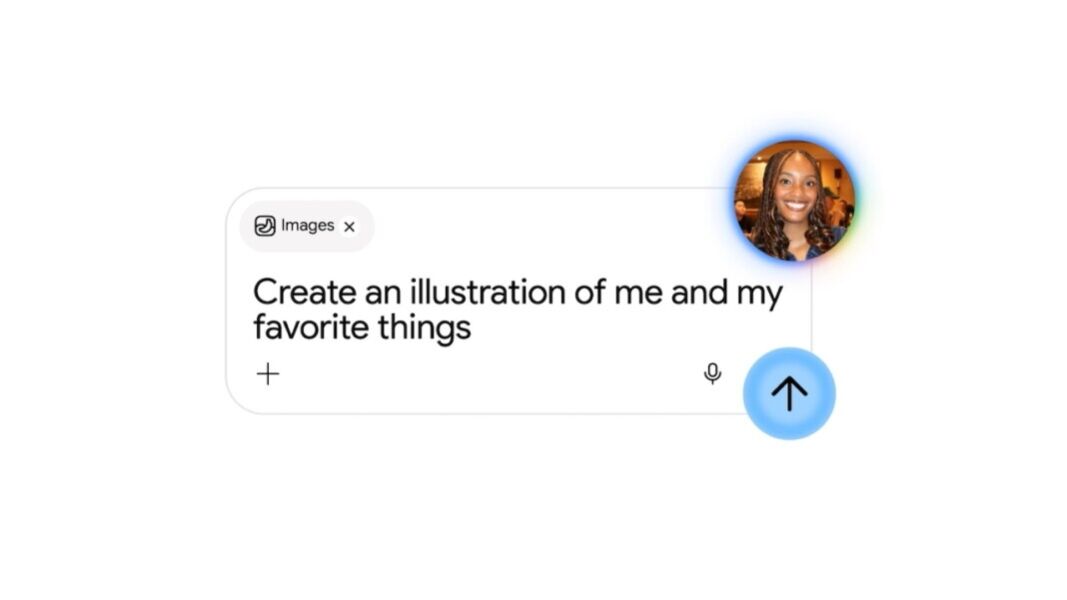
Personal Intelligence combines Google Photos and the Nano Banana image model so Gemini can produce images that reflect a user’s taste, lifestyle, or saved photos without requiring a manual upload each time. Instead of writing a long prompt that spells out style, places, and personal details, a user can ask for a more compact result while Gemini draws on permitted account signals. Google Photos is the clearest consumer example because saved images can give Gemini visual context that a short prompt would not contain.
The connected signals can include Gmail, YouTube, and Search, but the user-facing point is narrower than a blanket data grab: Gemini uses those services only when the account holder permits them. That design makes personalization a critical settings decision, especially when different connected Google services carry different types of context.
Gemini image generation access covers eligible U.S. users aged 13 or older, while image editing remains limited to users 18 and older. Free access also comes with daily usage limits, and Google has not published exact free limits for each account path. The age split matters because generation and editing are not the same permission lane, and the quota caveat keeps the free rollout short of an unlimited creative workspace.
When using the personalization feature, a sources button shows which personal data informed a generated image, giving it a control point beyond a simple permission switch.
Paid Gemini options, including Google AI Plus at a reported $19.99 per month, remain the path for users who need higher-volume access or fewer interruptions in creative workflows.
Controls, Earlier Gemini Rollouts, and Rivals
Before this free-access expansion, Google brought Nano Banana image personalization into Gemini and expanded text-based Personal Intelligence through connected-service contexts. Gemini topped 750 million monthly active users earlier in 2026, giving Google a large audience for a feature that becomes more useful when people connect first-party services. At that scale, settings design becomes part of the product because small defaults can affect many users.
Apple’s Image Playground feature is also moving toward more realistic consumer AI image creation. Midjourney, Microsoft Designer, and Canva offer broader image or design alternatives, but Google’s differentiator is permissioned account context around Gemini rather than image generation alone. Free access puts that differentiator in front of users who may not pay just to test it, while standalone tools usually rely more on uploaded references or prompt detail.
What Remains Limited
Regional availability remains narrow even as Google expands free access for eligible U.S. users. Europe has not been added to the initial Personal Intelligence rollout, and Google has not announced when personalized image generation will reach users in other important regions like India.