Wearables — Latest News and Analysis
News on smartwatches, fitness trackers, AR glasses, and wearable health technology.
The Latest News About Wearables
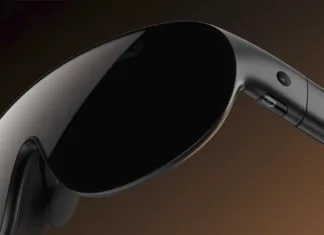
Meta's new VR glasses put about 100 grams on the face for selected IMAX-format films. A cabled pocket unit holds the processor and battery; sales are planned for spring 2027.
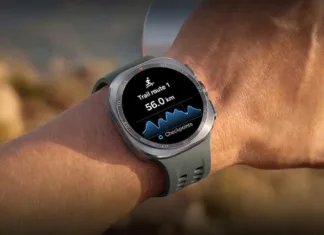
The Ultra2 uses the same Snapdragon processor as the $379.99 Galaxy Watch9, so its premium is concentrated in battery capacity, storage, size, and rugged specifications.
Apple Upgrade offers Klarna-backed U.S. device leases from $11.99 monthly, but ownership requires a later payment, while eligibility and exit fees add costs.
Google's SensorFM AI model can learn reusable patterns from fragmented wearable data across 35 tasks.
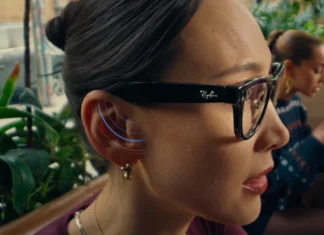
Meta One Premium ties expanded Conversation Focus use on AI smart glasses to monthly caps, making local audio help a paid hardware-access issue for owners.
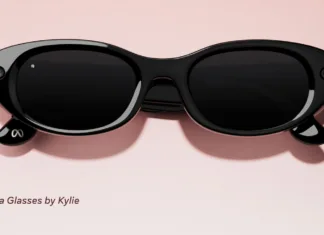
Meta's $299 AI smart glasses launch adds Adventurer, Fury, and Kylie styles, testing lower-cost wearable AI as privacy and competition shape retail demand.
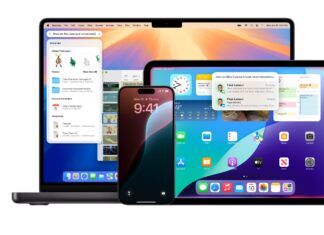
Apple brings visionOS 27 to Vision Pro with Siri AI, Visual Intelligence, spatial panoramas, and 3D workflows as adoption questions remain.
Microsoft is developing Project Solara as an Android-based platform for devices organized around AI agents rather than traditional apps.
Meta's leaked memo points to an AI pendant, expanded smart glasses, and wearables, widening its hardware push as privacy concerns grow ahead of 2027 tests.
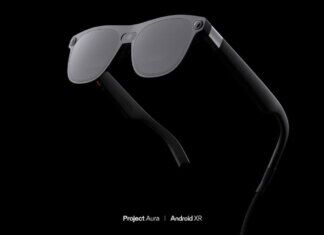
Xreal has showcased Project Aura as a live Android XR smart glasses device, testing whether Google-backed software can make its wired 2026 launch stick.
Meta opened its $799 Ray-Ban Display to web-app developers and added handwriting input, screen recording, expanded walking directions, and live voice captions.
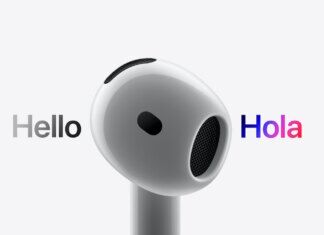
Apple's camera-equipped AirPods reportedly reached advanced testing, but Siri delays, battery limits and privacy questions still cloud any 2026 launch.
Apple has begun testing four frame designs for displayless smart glasses code-named N50, targeting a 2027 launch to rival Meta Ray-Bans.
Snap has signed a multi-year deal with Qualcomm to power its consumer AR glasses with Snapdragon XR chips, targeting a 2026 launch after investing $3B.
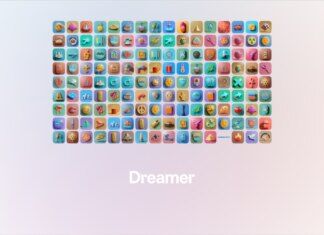
Meta Superintelligence Labs has hired Rui Xu from acqui-hired startup Dreamer to lead a hardware team as the AI lab expands into devices.
Meta has filed two new Ray-Ban AI glasses models, Scriber and Blazer, with the FCC, featuring charging cases and Wi-Fi 6 ahead of a potential spring launch.
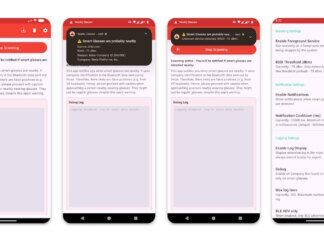
A professor has released Nearby Glasses, a free Android app that detects Meta Ray-Ban and other smart glasses via Bluetooth to counter covert recording.
Meta has hired the entire Dreamer AI startup team, including former Google and Stripe executives, for its Superintelligence Labs.
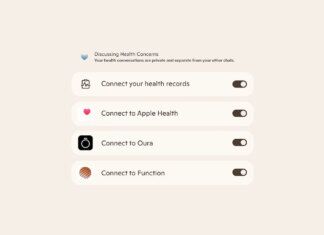
Microsoft has launched Copilot Health, a secure AI space connecting medical records from 50,000 U.S. hospitals and 50-plus wearable devices for personalized health insights.
Meta has been sued in a class action over Ray-Ban AI smart glasses after overseas workers reportedly reviewed intimate footage, raising major privacy concerns.
OpenAI has priced its AI smart speaker at $200–$300 for an early 2027 launch, featuring persistent listening, a camera, and facial recognition for purchases.
Meta has announced plans to launch its first smartwatch in 2026, reviving abandoned efforts with AI-powered health tracking features to challenge Apple.
OpenAI, Meta, and Apple have raced to develop AI wearables to break America's phone addiction. Meta has sold over 7 million smart glasses in 2025.
Apple has announced it is scaling back its ambitious AI-powered Health+ coaching service due to FDA regulatory concerns and reliability challenges ahead of the 2026 launch.
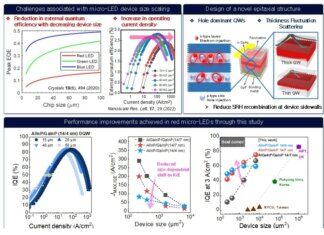
KAIST researchers have developed micro-LED display technology achieving ~1,700 PPI, solving the red pixel efficiency challenge for ultra-high resolution AR and VR smartglasses.
Meta has cut up to 1,500 Reality Labs employees and closed three VR studios, triggering 'VR winter' fears as the company pivots from VR to smart glasses.
Apple has started developing an AirTag-sized AI wearable pin with dual cameras and microphones, targeting a 2027 launch despite market failures from Humane and Rabbit.
OpenAI has charted plans to launch up to five hardware devices by 2028, starting with AI-powered Sweetpea earbuds in September 2026, shipping 40-50 million units first year.
OpenAI has confirmed plans to unveil its Jony Ive-designed hardware device in late 2026, while intensifying recruitment of Apple engineers for its team.
OpenAI has launched a Request for Proposals for US manufacturers to supply components for data centers, robotics, and consumer devices, signaling a major shift to hardware.