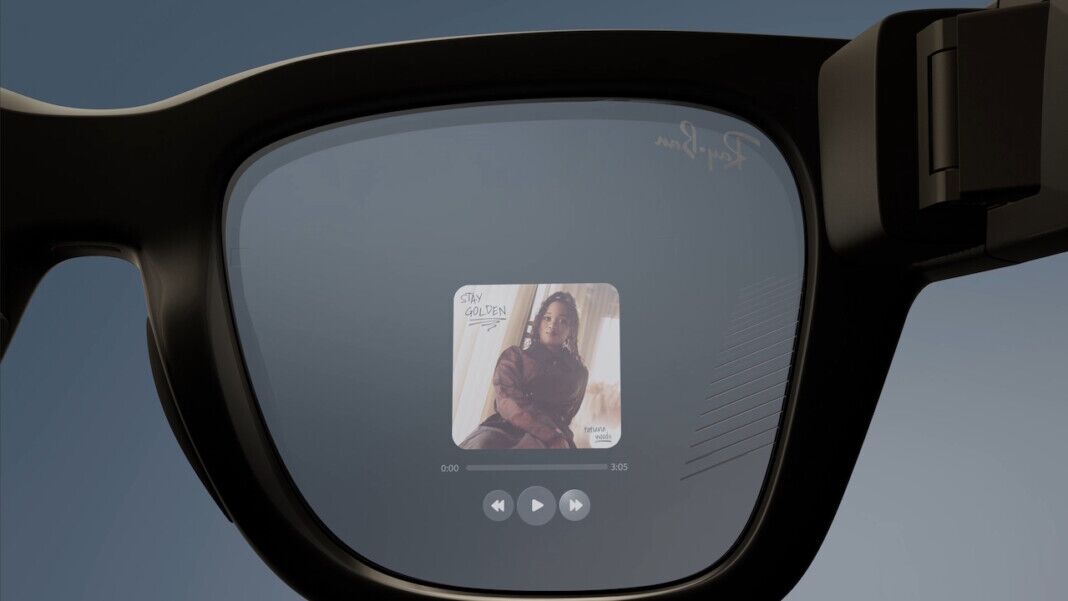
- Roadmap Leak: Meta is reportedly planning an AI pendant, broader smart glasses, and workplace wearables under one hardware strategy.
- Installed Base: More than 7 million Meta-powered smart glasses sold in 2025, giving the plan a sizable commercial base.
- Privacy Stakes: Always-on sensing and office wearables could widen privacy concerns before Meta’s planned spring 2027 pendant testing.
An AI pendant, a wider glasses range, and workplace devices would broaden Meta’s AI-powered smart glasses lineup. Meta would move beyond one smart-glasses line and into a broader AI hardware business. Spring 2027 is reportedly the internal target for pendant testing.
More than 7 million Meta-powered smart glasses were sold in 2025. Meta had already signaled more eyewear expansion in March 2026 through an earlier smart-glasses sales milestone. Current sales make the leak more consequential because Meta is not starting from a blank slate.
Meta’s public guide now showcases four Meta AI glasses models. Ray-Ban Meta and Oakley Meta designs already give the company a visible product shelf while it tests what comes next.
Meta also runs a developer platform for wearable apps. The Wearables Device Access Toolkit extends mobile apps onto Meta’s glasses, and third-party tools such as OOrion and Aira use the hardware for hands-free assistance. Software support gives the roadmap a path beyond selling more frames.
Internal goals still define the pace of the plan. A second-half 2026 target calls for 10 million wearable devices, and the same plan may reach 6.8 million monthly active wearable users by year-end. Both figures describe internal ambition rather than a public launch commitment.
Meta’s Roadmap Extends Beyond One Pair of Glasses
An AI pendant, a broader glasses lineup, and Wearables for Work define the push. One roadmap ties consumer devices, software distribution, and workplace deployment together instead of treating each effort as a separate experiment.
Current products show how much of that base is already in place. Meta markets all four Meta AI glasses models, and outside app makers can build on the same hardware through its developer platform. Public hardware, software tooling, and the memo’s enterprise lane all point in the same direction: Meta wants wearables to become a larger AI platform, not a single accessory.
Meta CEO Mark Zuckerberg has framed the glasses line as hardware that can keep absorbing new AI capabilities over time.
“All of our glasses are designed to easily update to use our newest AI models and features.”
Mark Zuckerberg, Meta CEO
One of the bolder concepts is hours-long sensing through glasses that would keep cameras and sensors active for longer stretches. In practical terms, that would give Meta’s assistant more live context from a user’s day.
Meta may also add more eyewear brands and styles. A portfolio spanning three brands would push that expansion beyond a single follow-up device and give Meta more ways to segment price, fashion, and use case.
Why Meta Thinks the Category Is Big Enough
Meta’s targets suggest a business model built on repeated use as much as hardware volume. The 10 million wearable devices target would matter, but the year-end active-user goal matters just as much because it points to software activity, services, and app engagement after the initial sale.
Buyers and developers would both benefit from a larger installed base. More users can justify more app work, broader support programs, and more specialized hardware options across consumer and workplace settings. A bigger product range could also let Meta separate mainstream glasses from higher-end devices without rebuilding the software stack each time.
Competition and Privacy Raise the Stakes
Google’s Android XR effort with Samsung and Qualcomm puts rival audio smart glasses on track for fall 2026. Rival launch timing is a reminder that Meta is not alone in trying to turn AI eyewear into a broader device category.
Designs from Gentle Monster and Warby Parker are part of Google’s launch plan, and Gemini is slated to handle tasks such as navigation, messaging, photos, translation, and task management on those devices. Rokid, Xreal’s Android XR push, and VITURE show this is already a multi-vendor market rather than a two-company race.
Privacy may be harder to solve than product design. Longer-running sensing in Meta’s glasses would raise the same issues highlighted in Meta’s privacy lawsuit over AI glasses, and those concerns would intensify if Wearables for Work moved cameras and microphones into offices. Clear rules for capture, storage, and workplace oversight would be necessary before a spring 2027 pendant test could move beyond memo-stage planning.