- Neocloud Outreach: Google is reportedly courting neocloud providers built around Nvidia graphics processing units with its own accelerator chips.
- TPU Design: Tensor Processing Units (TPUs) are Google’s application-specific accelerators for matrix-heavy machine-learning workloads.
- Distribution Route: Google plans direct hardware deliveries beyond its cloud, while neocloud operators could rent TPU capacity to customers.
- External Demand: Blackstone’s 500-megawatt venture and Anthropic’s multiple-gigawatt agreement both target capacity from 2027.
- Commercial Proof: No targeted provider, price, deployment schedule or completed neocloud agreement has been disclosed.
Google is reportedly pitching its Tensor Processing Units (TPUs), to Nvidia-focused neocloud providers, specialized AI clouds built around Nvidia hardware. No provider name, outreach date, price, deployment schedule or completed agreement has been disclosed.
Adding TPUs could give customers another architecture for suitable workloads without forcing an operator to discard its Nvidia systems. Commercial adoption would depend on Google supplying the software support, chips and pricing needed to make that option useful alongside established GPU services.
Google already has separate routes to external TPU use. A Blackstone-backed TPU cloud venture expects its first 500 megawatts of capacity in 2027, while AI developer Anthropic has contracted for multiple gigawatts of TPU capacity expected to begin coming online that year.
How Google’s TPU Strategy Moves Beyond Its Cloud
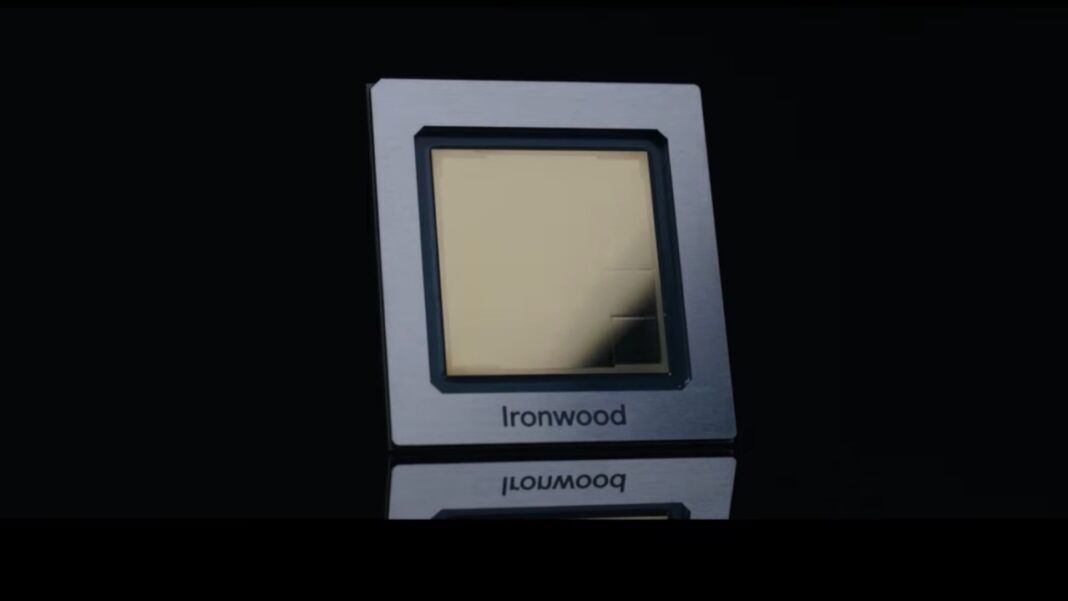
The planned pitches reportedly feature Google’s Tensor Processing Units (TPUs). Google designed the accelerators as application-specific chips for the matrix-heavy calculations used to train and run many AI models. The Ironwood TPU generation became generally available in 2025.
Cloud customers can reach TPUs through Compute Engine, Google Kubernetes Engine and Vertex AI. Connected TPU slices can spread a large workload across several chips, but each route keeps access centered on Google’s infrastructure.
Google also plans to deliver TPU hardware to selected customer data centers. Hardware sales are expected to contribute only a small revenue share later in 2026, with the majority of associated revenue expected in 2027. Installed systems would demonstrate external adoption through operational hardware.
Neocloud distribution would put Google’s chips with specialist operators that rent capacity to companies without their own accelerator infrastructure. Providers would need to integrate TPU software, secure dependable supply and price it beside existing Nvidia fleets, while operating a customer-facing service around the hardware. A mixed fleet could reserve TPUs for suitable workloads while retaining Nvidia graphics processing units (GPUs) for customers, applications and tools that depend on their broader software ecosystem.
External Demand But Nothing Confirmed
Google and investment firm Blackstone formed a U.S. venture that will sell data-center capacity, operations, networking and TPUs as a service. Backed by an initial $5 billion and planned Google supply of TPUs, software and services, the project combines committed capital with a defined route to customers. Its first 500 megawatts are expected online in 2027, making the venture more concrete than the separate outreach claim.
External customer interest predates that venture. Meta entered a multiyear TPU rental agreement earlier this year. Its agreement supports Google’s broader effort to find customers beyond its own services.
Other prior events show that competition and external use predate the possible neocloud campaign. Apple used TPUs for AI training in 2024, providing a specific example of outside use. Nvidia addressed competition from Google’s AI chips in 2025 promoting its products as the more flexible choice.
Anthropic offers another demand example without supporting a simple Nvidia-displacement conclusion. Its agreement with Google and chip supplier Broadcom covers newer TPU capacity, yet they use Amazon Web Services’ Trainium AI accelerator alongside Google TPUs and Nvidia GPUs. Anthropic also still identifies Amazon as its primary cloud provider and training partner. Large AI customers can divide workloads among suppliers according to software compatibility, capacity availability and commercial needs instead of standardizing on one accelerator.
Google has confirmed external capacity routes and plans direct hardware delivery, but no neocloud has been identified as accepting the operational or commercial trade-off so far. Provider names, prices, deployment schedules and completed agreements remain undisclosed.