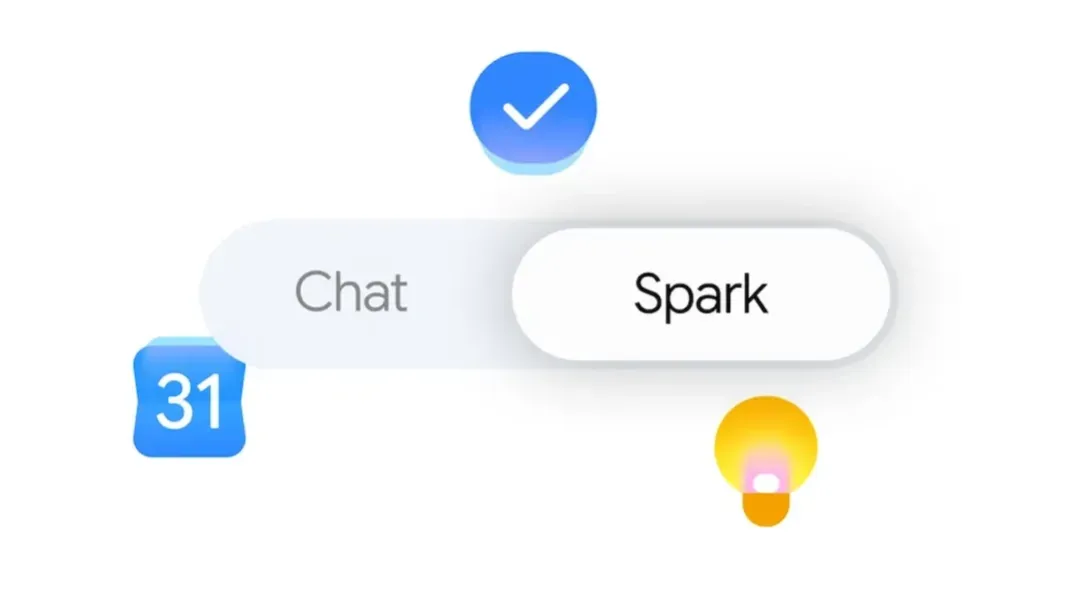
- Mac Rollout: Gemini Spark is rolling out in the Mac app for U.S. subscribers to Google’s $100-per-month AI Ultra tier aged 18 and over.
- Desktop Tasks: The Mac beta can work with permitted local files, Workspace tasks, connected apps, real-time tracking, and Model Context Protocol connectors.
- Access Limits: Google says file access requires user permission, while broader app support and phone-to-Mac task assignment remain staged follow-ups.
Google has announced a Gemini Spark for macOS Beta for eligible U.S. Google AI Ultra subscribers aged 18 and over, bringing Google’s agentic Gemini assistant for desktop tasks to Mac computers running the native Gemini app. Beta access covers permitted files, apps, and Workspace tasks, but not every Gemini or Mac user.
Gemini Spark is Google’s always-on, 24/7 personal AI agent designed to automate complex, multi-step digital workflows autonomously. Unlike
Access runs through Google AI Ultra, the paid AI tier Google introduced at I/O 2026 as part of its AI Ultra pricing changes. Google AI Ultra costs $100 per month. Gemini for macOS requires macOS 15 and Apple Silicon. Subscription, region, age, and hardware limits define who can use Spark on a Mac.
Spark becomes useful when a user grants access to relevant local files or apps. Gemini AI privacy concerns have already centered on document access and user control. Google has to make the Mac beta’s access boundary visible before file automation feels routine.
What Spark Can Do on Mac
Gemini Spark’s Mac pitch starts with chores that normally sit outside the main chatbot. Google says Spark can automate desktop files and apps, including file sorting and budget-spreadsheet examples. It can also manage or modify files directly on the desktop during multi-step tasks.
Spark can sort a Downloads folder, turn saved invoices into a spreadsheet, or prepare recurring updates from material already on the computer. Everyday file and Workspace work becomes the test: whether one user instruction can produce a useful desktop action without granting too much access.
Permission remains the operating boundary. Spark works only with files a user grants it permission to use, and some computer-file workflows create temporary backup files that are deleted after 24 hours or when a new task begins. File access becomes both a product feature and a risk control.
Spark also connects Gemini with more services. It works with Google Tasks, Google Keep, and real-time topic tracking, while Canva, Dropbox, Instacart, OpenTable, and Zillow Rentals are rolling out on web and mobile before reaching macOS in the following weeks. Model Context Protocol (MCP) gives Spark a way to link AI applications with files, tools, databases, and workflows chosen by the user.
For developers and power users, that connector path could make Spark a hub for outside tools rather than another isolated assistant window. Real-time topic tracking adds a separate job: monitoring blogs, news sites, social media, finance, shopping, weather, sports, or email for changes and thresholds.
Desktop Agents Already Crowd the Market
Spark appeared in the Gemini app roadmap at Google I/O before the Mac beta. Payin users can now test whether Gemini can perform useful work on user-approved material, not just whether it can answer prompts. Competitors are also trying to connect assistants with files, apps, browsers, and operating-system surfaces.
Claude Cowork can access selected local files, and Anthropic also pushed Claude toward desktop control for paid plans. That model emphasizes selected folders, isolated execution, and long-running workstreams.
Microsoft offers Copilot desktop apps while also testing a GitHub Copilot Agentic app technical preview.
Apple’s AI stack brings Apple Intelligence and Siri AI into iOS 27, iPadOS 27, macOS Golden Gate, watchOS 27, and visionOS 27, with Siri AI planned in English later in 2026.
Before that OpenAI Operator added browser-based task execution to the same category. Manus My Computer uses a hybrid cloud-to-local model, Perplexity Computer is positioned around complex research and analysis, and Genspark is positioned around autonomous work and phone-call capabilities. Spark’s advantage is the Gemini account, app, Workspace, and Ultra subscription bundle already surrounding the user.
Spark’s risk is tied to the same bundle. A desktop assistant becomes more useful as it reaches more work, but each added permission also raises the cost of a confusing or mistaken action. Google’s Mac beta has to prove both the task automation and the guardrails around it.
What Comes Next
Third-party services still have to reach macOS, phone-to-Mac remote task assignment remains planned, and permission controls have to stay understandable once Spark handles real files.
Mac users will get a clearer test when Canva, Dropbox, Instacart, OpenTable, and Zillow Rentals reach macOS. Until then, Spark remains a paid beta built around one user decision: which local files and apps are safe enough for an AI assistant to touch.