- Teams Plan: Anthropic is preparing Claude or Claude Tag clone for Microsoft Teams, but no launch is confirmed.
- Workspace Mechanism: Claude Tag’s Slack beta shows channel tagging, shared identity, approved tools and administrator controls.
- Governance Controls: Teams support would require clear rules for channel access, tools, billing and retention.
- Platform Stakes: Microsoft remains both a Claude platform partner through Foundry and a rival in workplace agents.
On June 23, Anthropic launched Claude Tag as a Slack beta for Team and Enterprise customers. Just a few days after, Claude became generally available in Microsoft Foundry, giving Azure customers access to Anthropic models through Microsoft’s enterprise AI platform.
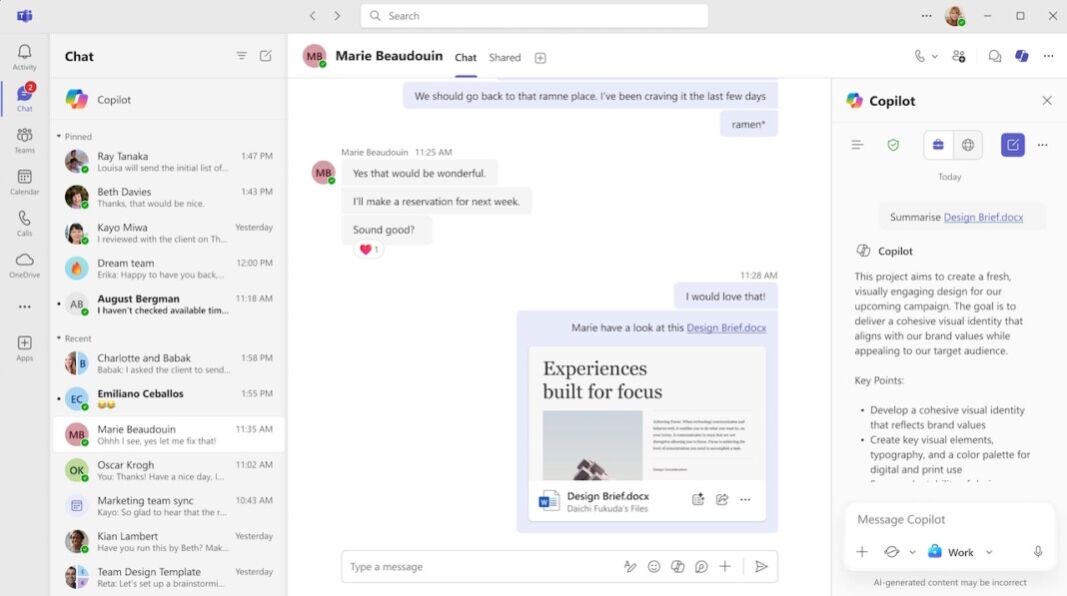
Anthropic is reortedly now preparing a Claude agent for Microsoft Teams, Microsoft’s workplace messaging and collaboration app. Claude Tag, Anthropic’s workspace version of Claude that can be tagged in collaboration channels, may become the Teams-bound equivalent. Anthropic and Microsoft have not confirmed Teams support, and Claude Tag still has no announced Microsoft Teams version or date.
Claude Moves Toward Teams as Microsoft Builds Its Own Agents
A Teams integration would put Anthropic closer to the daily collaboration layer used by many Microsoft 365 customers. It would extend Microsoft’s existing Claude-in-Microsoft 365 ties while placing Claude beside Microsoft’s own assistant strategy.
Microsoft’s agent strategy already includes prior work around a Teams-based AI coworker and delegated Office-work tools. If Anthropic would become a major partner in Microsoft’s AI platform stack and at the same time a rival for the assistant layer inside Microsoft’s work apps.
Microsoft’s enterprise platform relationship with Anthropic has become broader over the last year. Claude in Microsoft Foundry now gives enterprises a way to use Anthropic models through Azure infrastructure, authentication, billing, networking and governance controls. Foundry Agent Service can use Claude as the reasoning core for multi-step planning, tool use and task execution across enterprise systems.
Slack Beta Shows the Controls Teams Would Need
Anthropic had already connected Claude to workplace apps. Claude Tag is currently available as a Slack beta for Claude Team and Enterprise customers. In Slack, users can tag @Claude in selected channels and delegate work while Claude uses approved tools, data and codebases.
Claude Tag’s controls explain why a Teams version would matter to IT departments. Administrators can define channel access, tool access and token-spend limits. Channel tagging also runs under the organization’s Claude identity, using tools and access an admin set up, with channel work billed to the organization rather than an individual user’s account.
Slack conversations with Claude are separate from Claude chat history and are subject to deletion rules if the integration is disconnected or uninstalled. If a similar product reaches Teams, those details become important governance questions.
Collaboration channels can include customer data, source code, sales discussions and personnel information. A channel agent that can read and act on approved data may save time, but it also creates a sensitive-channel data risk for workspaces that handle confidential material.
Enterprise Agents Compete for Workplace Context
Microsoft Graph, Microsoft’s data layer for information across Microsoft 365, and Work IQ, Microsoft’s workplace-context system for Copilot, already give Copilot access to Microsoft-controlled workplace data. Glean, an enterprise-search and knowledge assistant company, Snowflake, a cloud data platform vendor, and Databricks, a data and AI platform vendor, are also positioning around organizational knowledge and context.
A Teams presence would put Claude where workers already discuss and assign tasks, even as Microsoft controls many of those surfaces. Copilot, Copilot Cowork and Microsoft 365 agents would be competing for the same delegated work.
A Teams version would also test how far Microsoft is willing to let a third-party AI assistant operate inside its collaboration layer. And enterprise customers would have to decide whether Claude is a useful alternative model, a specialized teammate or another governance burden.
Such rollout controls matter as much as assistant quality for AI agents that can plan tasks, use tools and act with less turn-by-turn prompting. Many agentic AI deployments struggle when organizations automate existing workflows instead of redesigning them for agents.
Some experts argue that companies should use agentic AI to rethink operations rather than pave over old processes. Others point to implementation complexity as weak processes can undermine agentic AI deployments.
Product controls will decide whether the reported Teams path becomes useful or risky. Claude Tag’s Slack beta already gives administrators channel access, tool access, token-spend limits and confirms conversations are automatically deleted from Claude within 30 days when the Slack integration is removed.