- Feature Rollout: Apple has announced macOS 27 Golden Gate and OS 27 with cross-device Siri AI features.
- Siri Mechanism: Siri AI can use personal context, screen information, web data and iCloud-synced conversation history.
- Mac Changes: Liquid Glass gains opacity controls, while Golden Gate keeps major support focused on Apple silicon Macs.
- Availability Limits: New hardware requirements and China and European Union exclusions will shape who tests Siri AI first.
- Market Test: ChatGPT, Alexa+ and Perplexity Assistant give Apple a competitive benchmark for its delayed assistant upgrade.
Apple has announced macOS 27 Golden Gate and OS 27, its wider software suite, at the Worldwide Developers Conference (WWDC) on June 8. The Golden Gate name may be the Mac label, but the larger reader stake is Apple’s attempt to make Siri AI and Apple Intelligence work across devices.
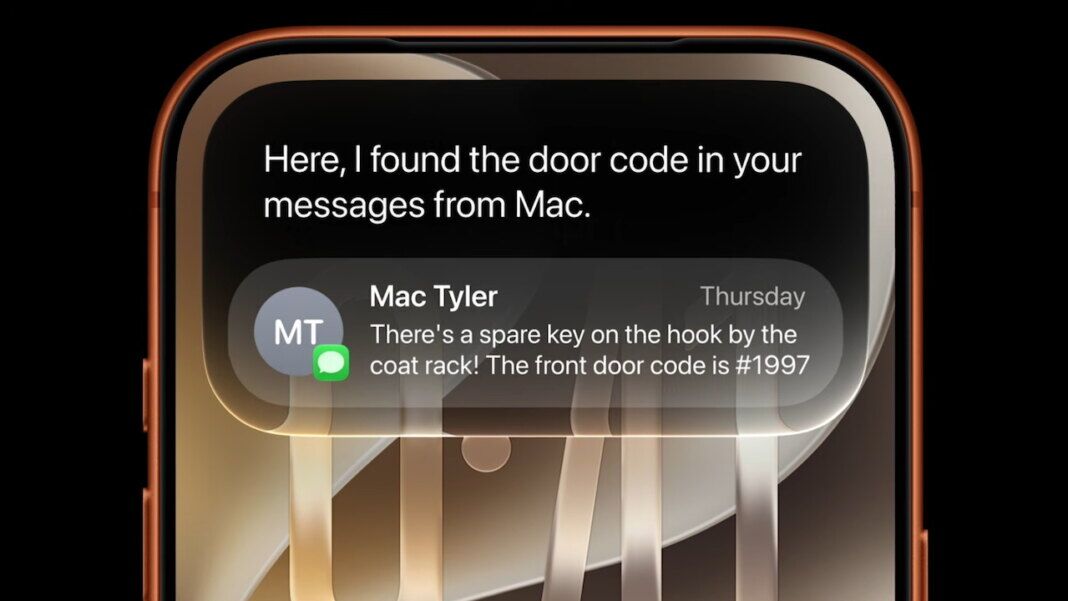
Developer testing for the assistant features began across several OS 27 platforms, with public betas planned for July and final releases expected in the fall. Siri AI, Apple’s upgraded assistant, can use personal context, on-screen content and web information, while a dedicated Siri app can sync conversation history through iCloud. At WWDC 2026, Craig Federighi, Apple’s senior vice president of Software Engineering, framed that personalization around privacy: “We believe privacy in AI is non-negotiable.”
Siri AI Moves From Promise to Platform Test
Apple Intelligence, Apple’s AI feature set, now sits closer to everyday device workflows. On the Mac, Apple has put Siri into Spotlight so users can type assistant requests and ask questions about selected files without leaving desktop search. Spotlight already handles app launching, file search and quick system actions on macOS, giving Siri AI a familiar entry point.
Apple’s assistant is meant to move between iPhone, iPad, Mac, Apple Watch and Apple Vision Pro while carrying user context across products.

Earlier in 2026, Apple was preparing Siri support for rival AI chatbots through an extensions path tied to iOS 27. Google’s Gemini family of models are going to be a central part of Apple’s model picture after a deal announced in January, leaving privacy, continuity and device integration to carry much of Apple’s product burden.
Access will not be universal. Apple Intelligence and Siri AI require newer Apple hardware, including iPhone 16 models or later, iPhone 15 Pro models, M1-or-later iPads and Macs, Apple Vision Pro, and newer Apple Watch models when paired with a compatible iPhone. Siri AI also will not initially reach China, and iOS and iPadOS users in the European Union are excluded at first.
Europe’s cutoff echoes Apple’s 2024 Apple Intelligence EU rollout dispute over Digital Markets Act security concerns. Users with unsupported hardware or excluded regions may see OS 27 design changes before they can test the upgraded assistant itself.
Mac Design and Hardware Boundaries
Golden Gate gives Mac users a visible design reset alongside the assistant work. Liquid Glass, Apple’s translucent interface design, gets a Liquid Glass opacity slider from ultra-clear to fully tinted, while macOS restores more uniform toolbars, edge-to-edge sidebars and colored sidebar icons. At WWDC 2025, Apple paired Liquid Glass with Apple Intelligence while Siri’s deeper crisis remained unresolved.
Spotlight, Mail and Photos also get search changes aimed at finding new and older content more reliably. Under Apple’s prerelease OS 27 testing, iPhone and iPad apps can launch up to 30 percent faster, newly shot photos can appear up to 70 percent faster, and AirDrop transfers can be up to 80 percent faster. Real-world gains will depend on devices, apps and workloads.
Hardware support draws a sharper line for Mac owners. Golden Gate is compatible with MacBook Neo, Apple silicon MacBook Air and MacBook Pro models, Apple silicon iMac, Mac mini, Mac Studio and Mac Pro models. Apple silicon Macs use Apple’s own chips rather than Intel processors, so older Intel Macs move outside the major-upgrade path.
Competitors, Context, and Rollout Limits
Apple’s Siri AI push follows earlier 2026 questions over AI agent apps, possible fees, developer access controls and Siri integrations. The preview turns those questions into a product test: Siri AI must prove that personal context, iCloud continuity and local device workflows can make Apple’s aged assistant feel useful rather than merely overdue.
Rival assistants make that test harder. OpenAI’s ChatGPT is widely used, Amazon’s Alexa+ early access program had passed one million users in 2025, and Perplexity AI’s Assistant is also available on mobile devices. Apple is betting that a more private cross-device assistant can offset a later start.
Apple’s rollout limits include a public beta next month, access this fall for supported products, and Siri AI being unavailable in China while the company works through regulatory requirements. Early testing will help determine whether Siri AI becomes a broad assistant rollout or a selective early release shaped by hardware, region and privacy constraints.