- EU Fine: The European Commission imposed a combined €890 million penalty in two decisions covering Search and Google Play.
- Product Controls: Search favored Google’s services, while Play restricted developers from directing users to outside purchase channels.
- Compliance Deadline: Google has 60 days to end both practices or risk periodic payments based on average daily turnover.
- Google’s Response: Google claims the remedies would remove travel information and some Play protections, but those effects have not occurred.
On July 23, the European Commission adopted two decisions and fined Google €890 million under the European Union’s Digital Markets Act (DMA). Both decisions target Google product controls: how Search presents competing services and how Play limits purchases through outside channels.
The Commission imposed a €460 million fine about Google Search and a €430 million fine for Google Play. The reasong: Google Search gives Google’s services preferential treatment over comparable rivals, while Play restricts developers from promoting offers and completing purchases elsewhere., according to the EU Commission. Comparison services and app developers are directly affected, and Google has 60 days to end both practices or risk periodic payments separate from the immediate fines.
Google opposed the remedies. Kent Walker, Google’s president of global affairs, argued that the changes would remove instant hotel and flight information, direct availability details, and some Play safety protections for European users.
How Search and Play Broke the EU’s Rules
Search self-preferencing occurs when a platform uses control of rankings to favor its own products over comparable rivals. Google gave its shopping, hotel, transport, and sports services more prominent placement, enhanced visuals, and filters that competing services did not receive. Such preferential presentation can make a rival less visible without removing it from Search.
Google had earlier proposed a dedicated vertical-search box for specialized services such as travel, hotels, and restaurants. Its current obligation is broader: end the preferential treatment identified by the Commission.
Teresa Ribera, the European Commission executive vice-president responsible for EU antitrust enforcement, summarized the competition principle behind the Search decision:
“The best products should succeed because they’re better, not because they’re owned by the company running the search engine.”
Teresa Ribera, European Commission executive vice-president and EU antitrust official (via European Commission)
Ribera’s distinction requires Search services to compete on quality rather than display advantages reserved for products owned by the ranking platform.
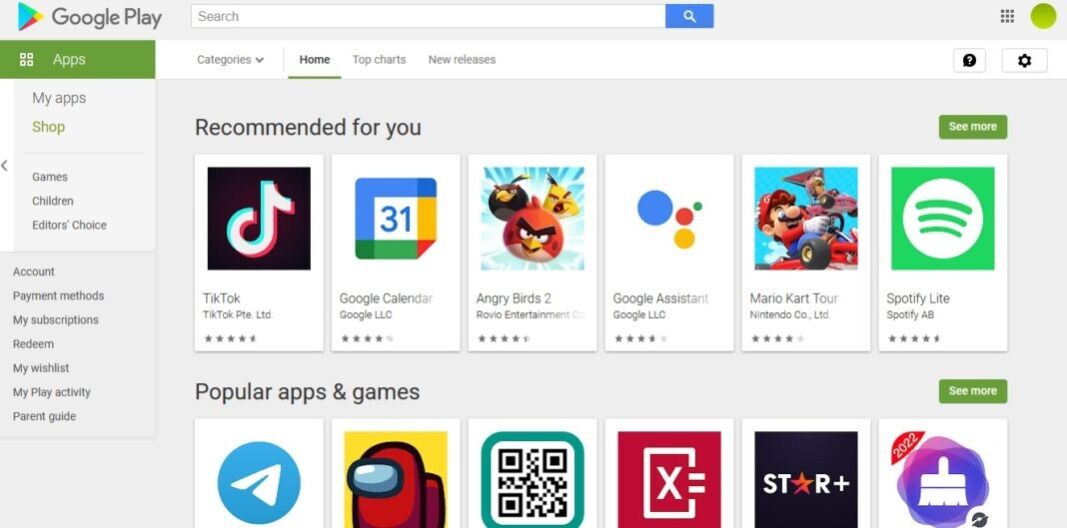
Google Play’s violation concerned anti-steering, meaning restrictions that stop developers from directing customers to alternatives. Play prevents developers from promoting outside offers and concluding contracts through channels of their choice, including third-party app stores. The EU regulators also found that Google’s customer-acquisition fees exceeded compliant levels in amount and charging duration.
Developers can not freely present another price or payment route and complete the resulting transaction outside Google’s distribution system. A developer that acquires a customer through Google Play could remain constrained when presenting a cheaper offer or completing the sale elsewhere. Search controls which services users see; Google Play’s rules constrain how developers reach customers and complete sales.
Under the Digital Markets Act’s platform rules, a gatekeeper is a large platform subject to special competition obligations. Gatekeepers cannot favor their own products in rankings and must let business users promote offers and complete contracts outside the platform. Compliance requires changes to controls governing visibility, customer communication, and transaction completion, not merely payment of the fines.
The 60-Day Compliance Deadline
Google must end the sanctioned Search and Play practices within 60 days. Its compliance period expires on September 21, when failure to make the required changes will trigger periodic payments. Commission officials can then assess whether Google removed preferential Search presentation and allowed Play developers to promote and complete outside purchases.
The periodic payments could reach 5% of Google’s average daily turnover. They are intended to push an ongoing return to compliance after the decision. Google does not currently owe that percentage, and it is not part of the immediate penalty.
A different DMA provision sets fine ceilings of 10% or 20% of worldwide annual turnover, with the higher figure reserved for repeated infringements. Annual revenue supplies the basis for those ceilings, while periodic payments use average daily turnover. Different enforcement tools and revenue bases mean the percentages cannot simply be added to the current fine.
DMA rules entered into force in November 2022 and became applicable in May 2023. Before the decisions, the same Search proceeding was still approaching a possible penalty. Binding requirements now cover the specified Search presentation and Play purchasing practices.
Google may appeal the decisions. An appeal would create a separate procedural track, while the compliance order requires concrete product changes within the 60-day period. Google’s next observable steps are the Search and Play changes it submits and any appeal it files.