- Regulatory Order: The European Commission adopted two binding measures requiring Google to grant eligible rivals Android AI access and anonymized Search data.
- Android Access: Eligible assistants will gain voice activation and cross-app capabilities across 11 Android feature groups, subject to certification and user consent.
- Phased Rollout: Most Android 18 measures are due by August 2027, while concurrent hotword detection follows in Android 19.
- Enforcement Stakes: Google argues the rules threaten privacy and security; noncompliance can bring fines of 10% of worldwide turnover, or 20% for repeat infringements.
The European Commission has adopted two binding measures on July 16 that require Google to open Android and Search to eligible rivals. Google’s Search data-sharing timetable for rivals makes the access limits concrete by phasing them in instead of providing immediate or unrestricted access.
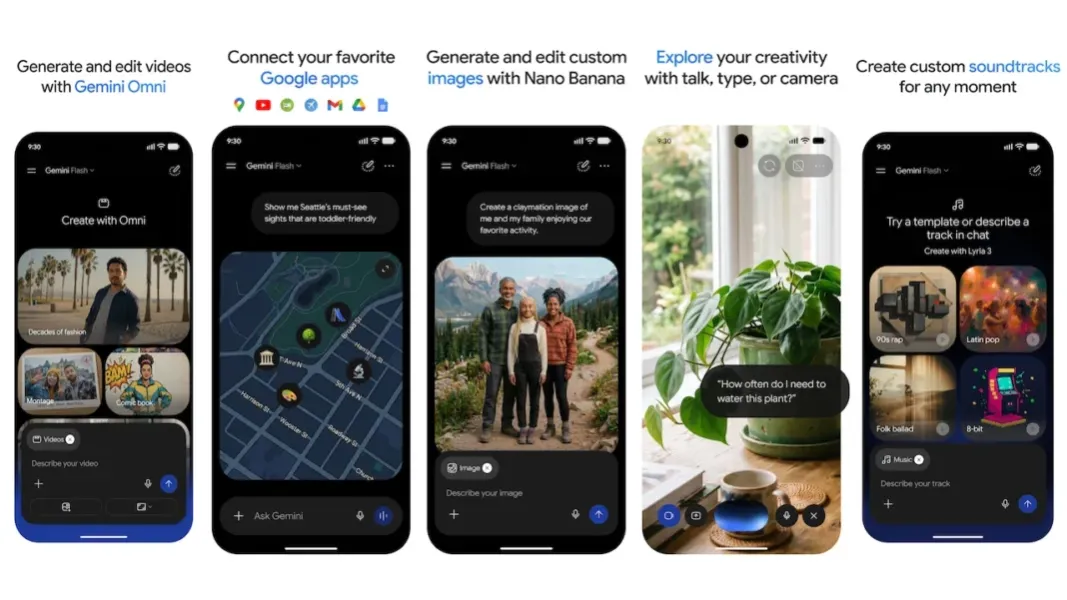
Third-party assistants currently lack the system access available to Google’s Gemini AI assistant, limiting their appeal across the 60% of EU users with an Android device. Eligible search providers and AI chatbots with search features will also be able to receive anonymized data Google uses to improve Search.
European Commission Executive Vice President for Tech Sovereignty, Security and Democracy Henna Virkkunen said the Commission hopes the measures produce alternatives to Google Search and Gemini and give EU users more choice.
Google argues that opening sensitive device permissions and Search records could expose private searches, trade secrets and security-sensitive information. Google’s Android rules allow eligibility conditions in five sensitive areas, backed by independent certification and user consent. Regulators are pairing wider access with controls rather than allowing every assistant to reach every system function.
How Android Access Will Change
Eligible assistants are planned to gain access across 11 Android feature groups. Voice invocation, on-screen context, cross-app actions and device resources will let an assistant operate as part of Android instead of as a conventional app with narrower permissions. Under the EU rules, a user could activate a preferred third-party assistant by voice and let it complete a task in another app.
Google’s phased schedule requires Android 18 measures by August 1, 2027, while concurrent hotword detection follows in the later Android 19 phase. The timetable gives Google time to build controls around private context, hardware resources and other apps, but it also delays the competitive effect. Rival developers must satisfy eligibility and certification requirements before users can replace Gemini across the covered system functions.
What Search Rivals Can and Cannot Use
Google’s separate Search obligation targets data rather than system access. It covers anonymized ranking, query, click and view data generated through free and paid search. Qualifying recipients can use the records to develop and optimize online search services on fair, reasonable and nondiscriminatory terms.
Search recipients may not use the dataset to train general-purpose AI models, create unrelated advertising or profiling services, or systematically copy Google’s results. The restrictions narrow the remedy to online search development and reduce the scope of data leaving Google. Anonymization and recipient controls must still protect users while preserving enough detail for competitors to improve their services.
Alphabet’s deadlines require it to finalize the dataset by November 2026 and its pricing offer by January 2027. Dataset quality and commercial terms will decide whether competitors gain a useful input into search development or merely a formal right to request one.
Safeguards, Deadlines and Enforcement
The Commission opened the Google proceedings on January 27. Its work on Android interoperability and Search-data access culminated in the binding requirements adopted on July 16 under EU gatekeeper competition law.
Google’s response challenges the safeguards built into the measures. Google President of Global Affairs Kent Walker cast the decision as a threat to users.
“Today’s decisions risk undermining vital privacy and security guardrails for millions of Europeans. We have repeatedly offered solutions to safeguard users while satisfying the DMA’s goals, but these rulings discount extensive evidence of user harm.”
Kent Walker, Google President of Global Affairs (via Google)
Regulators must now evaluate the implementation risks behind Walker’s objection without weakening the obligation. Certification, consent, eligibility screening and limits on dataset use provide controls. Their adequacy will depend on whether rivals gain useful access without exposing information beyond the rules’ stated purpose.
Potential penalties raise the enforcement stakes: noncompliance can trigger fines of up to 10 percent of worldwide annual turnover, rising to 20 percent for repeat infringements. No fine has been imposed through these measures. But Google currently faces a possible penalty over Search self-preferencing in a separate case without changing the obligations adopted here.