- Financing Filing: Kuaishou Technology has filed a July 2 record for 19 billion yuan in Kling AI financing.
- Deal Caveats: Reported investor, valuation and initial public offering details remain separate from the confirmed filing amount.
- AI Video Costs: Kling needs outside capital to fund compute-heavy video models and creator-facing product upgrades.
- Market Test: Rivals such as Google Veo, Adobe Firefly Video and Runway keep pressure on Kuaishou’s funding plan.
Kuaishou Technology has filed a 19 billion yuan, roughly $2.8 billion, financing record for Kling AI, the Chinese short-video company’s AI video-generation unit, in a Hong Kong Stock Exchange disclosure dated July 2.
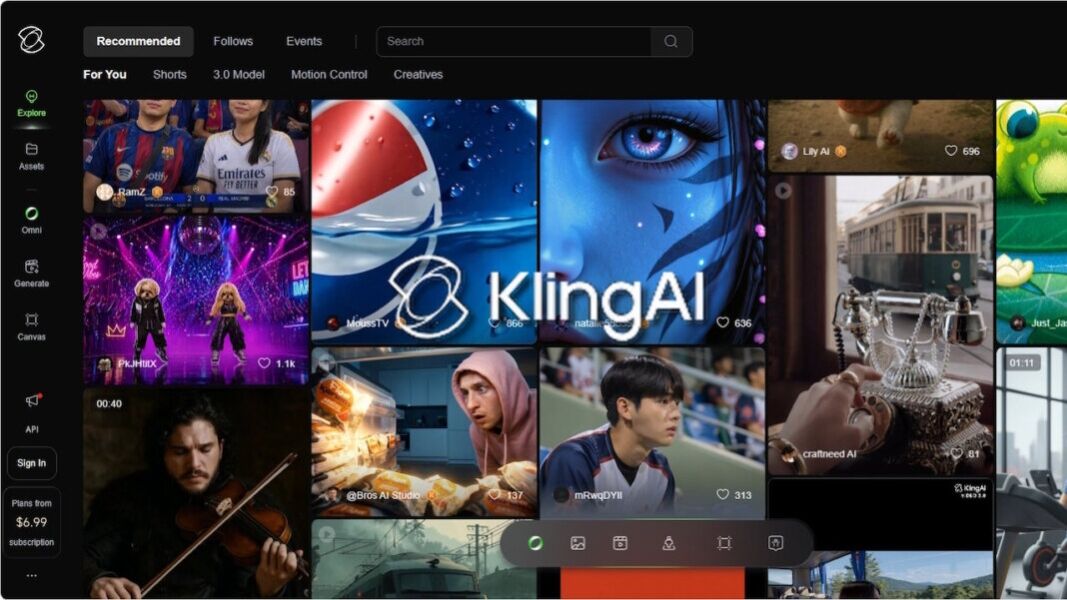
Kling AI is Kuaishou’s generative-video platform, a business built around software that can create short video clips from text prompts or still images. The unit has become strategically important as Chinese internet companies race to commercialize artificial intelligence tools, but video generation is especially expensive because it requires heavy computing power, constant model upgrades and safeguards to review generated content.
The money would help Kling scale systems that turn text or images into short video clips, where training, inference and content-review costs can rise quickly. Investor participation, possible larger-round figures, valuation claims and any initial public offering path remain separate caveats because the official filing does not confirm final deal extensions.
Kling AI Financing Sets Up Kuaishou’s Video Spin-Off
The official filing makes that amount the firmest deal anchor. Alibaba and Tencent, one of China’s largest technology groups, are reportedly part of a US$2 billion funding round. Final ownership splits and any later expansion remain outside the confirmed opening terms.
Kuaishou could lift the round toward $3 billion if more investors join, and Kling AI has been linked to an $18 billion after-investment valuation. For Kuaishou, a larger round would trade dilution for shared infrastructure spending: new backers would take part of the unit while helping fund data centers, model upgrades and product expansion.
Kling’s reported valuation sits below an earlier $20 billion target, a price point that matters only if public investors accept a similar level during a listing process.
Kuaishou had already prepared the corporate structure. In May, the company was weighing external capital for the Kling unit, a precursor reflected in Kuaishou’s earlier Kling AI review. A potential Hong Kong initial public offering would be the next financing stage, but a public timetable has not moved beyond a reported 12-month window.
Outside Capital Funds AI Video
Kling is not being valued as a small feature inside a short-video app. Annual recurring revenue grew from about $300 million in January to about $500 million by March, giving Kuaishou a commercial reason to separate the unit’s economics from the main platform. Annual recurring revenue measures run-rate sales, not quarterly cash flow, so it supports the growth case without settling profitability.
AI video models need more storage, inference capacity and content-review work than many text-only systems. Every improvement in resolution, scene consistency or generation speed can raise the operating bill, and outside investors can help fund data centers, model development and staff retention while reducing the direct strain on Kuaishou’s core app business.
Kling launched in 2024 and later added more advanced video-editing models, including Kling AI’s Video O1 model. Video O1 combined generation and editing in one workflow, making the financing question partly about how quickly Kuaishou can keep adding controls, model upgrades and creator-facing features.
For creators and studios, the cost base becomes a reliability issue. Kling has to keep characters consistent across longer sequences, render readable text, handle usage rights and moderate generated clips before it can become a routine production tool. Funding would give those operational problems a budget line rather than leaving them as product promises.
Kuaishou’s main app ecosystem also pushes Kling toward dedicated capital. Creator tools, ad products and recommendation systems can provide usage channels for AI video, but they also raise the cost of serving generated clips at scale. Dedicated funding makes those tests easier to finance without putting every experiment against the parent app’s near-term margin goals.
Rivals Show Why the Category Is Capital Intensive
AI video rivals show how capital access can shape the category. ByteDance’s Seedance 2.0, Kuaishou’s Kling, Google Veo, Adobe Firefly Video, Shengshu and Runway are part of the field of shipping AI video systems, while xAI’s newer release paired faster 720p clips with synced audio and developer access. Each system depends on costly model serving and steady product iteration, so vendors with deeper financing can move faster from demos to usable creator workflows.
Kuaishou is expected to file a formal Hong Kong initial-public-offering application for Kling within a 12-month window, giving the separation plan its next dated document.