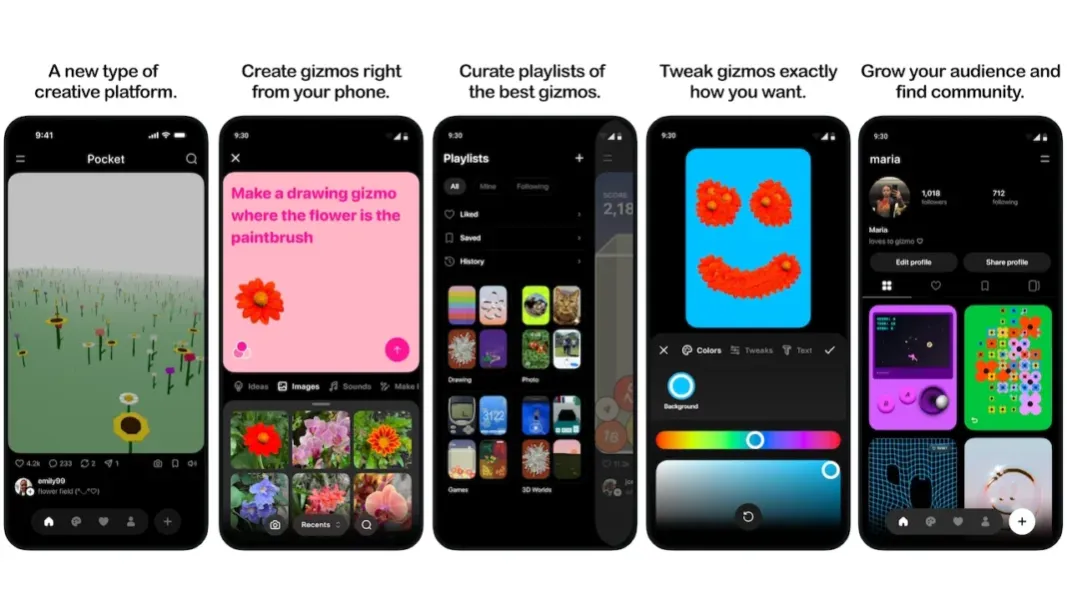
- Quiet Test: Meta’s Pocket app has surfaced as a quiet artificial intelligence mini-game test, not a confirmed broad launch.
- Prompted Gizmos: Users describe ideas in text prompts so Pocket can create small playable mini-games called gizmos.
- Availability Limits: App-store dates make Pocket visible, but rollout regions and a wider release schedule remain unclear.
- Data Use: Pocket’s data-safety disclosures raise practical questions about collection, personalization, and user consent.
Meta’s Pocket app has surfaced as a quiet artificial intelligence mini-game test rather than a broad product launch. The app surfaced on Apple’s App Store and Google Play on June 29, Google’s listing was updated on July 1.
Pocket’s limited rollout makes its mechanics central for readers who need to know whether this is a game, a tool, or another generated-content feed. Pocket may generate games from a text prompt and return a small playable creation.
Users are not being asked to write code; they describe an idea so the system can assemble a lightweight so-called gizmo, a small interactive app or mini-game that others can play. In limited testing, the vibe-coded feed could raise consent and algorithmic-transparency questions because personalization depends on user data.
How Pocket Turns Prompts Into Playable Gizmos
Pocket’s prompt-to-feed design starts with creation. The app labels user-created artificial intelligence experiences as interactive playable gizmos and puts them in a feed where people can create, share, browse, and try work made by others. In plain terms, a user describes an idea and Pocket returns a playable object rather than a static image or text post.
Describing software in natural language so artificial intelligence builds it is often called vibe coding. Pocket’s prompt mechanic resembles other natural-language mini-app generation tools, but Meta packages the result as a social game feed rather than a browser or developer tool.
Phone sensors and media access make those creations more than static artificial intelligence outputs. Playable posts can respond to touch and phone tilt, while the same listing points to sound, music, camera input, and photo-library access as possible ingredients. A prompt could become a quiz, reaction game, story toy, or camera-based interaction that friends or other users can tap, tilt, replay, and pass around.
Pocket still looks closer to a controlled test than a mass-market rollout. No formal Pocket launch plan was available by publication time.
Limited availability keeps the app short of a full platform announcement while Meta tests whether prompt-made play can sustain repeat use beyond a novelty download.
Data Use and Availability Stay Unresolved
Because Pocket turns creative play into a data-generating surface, possible data use becomes a practical user issue. Google’s Play Store data-safety panel lists data categories that can affect privacy and personalization choices. An earlier test of AI-generated story cards already put generated material inside a browsable product surface, where labels and source cues affect whether users understand what they are seeing.
Data disclosures do not prove every Pocket interaction is used for model training, but interactions with Pocket gizmos may be used to help improve Meta’s AI systems. Users who experiment with prompts, photos, camera effects, or game interactions still need to know what is collected, what is shared, and how much choice they have over those signals. Parents and younger players would also need plain explanations if Pocket’s playful format moves consent choices into a game-like creation flow.
Gizmo Lineage and Competitors Shape the Stakes
Gizmo gives Pocket its clearest predecessor, Meta has signaled that it hired the team behind Gizmo earlier in 2026. Pocket also sits inside a broader vibe-coding app trend.
Google Play still lists the original Gizmo app: AI Generated Games under Atma Sciences with more than 10,000 downloads, which helps explain why Pocket resembles a feed for prompt-made experiences rather than a standalone coding tool.
Gizmo previously used a vertical feed for prompt-made mini-apps. Pressure on app stores has already grown in the broader vibe-coding market; App Store submissions surged in one quarter as AI-built apps spread. Competitors include Sekai in social AI mini-games, Wabi with a $20 million pre-seed investment in 2025, and Vibecode with a separate $9.4 million seed investment.
Pocket’s clearest next signal would be a wider Google Play release or a Meta-published availability plan that names eligible regions. Repeat user creation, clearer data rules, and install traction would say more about adoption than short-term market moves.