- Steam CPU Split: AMD reached 44.97% Windows CPU share in Valve’s May 2026 Steam Hardware Survey.
- Intel Lead: Intel remained ahead at 55.02%, but AMD’s monthly gain narrowed the gaming-PC gap.
- Survey Limits: Steam’s optional, anonymous survey is useful gaming-platform data, not a full PC-market census.
- Next Contest: Ryzen X3D momentum and Intel’s Nova Lake roadmap will shape the next desktop CPU test.
AMD has reached 44.97% CPU share among Windows systems in Valve’s May processor-vendor table while Intel held 55.02%. The Ryzen processor maker now sits just over ten points behind Intel in a CPU snapshot watched by PC gamers.
Valve, which operates Steam and publishes the Steam Hardware Survey, bases the monthly table on participating users rather than every desktop, laptop, workstation, or server. Ryzen gains in this gaming audience have pushed AMD to another Steam survey record as Intel’s gap shrinks.
Steam stats still give the AMD-Intel comparison continuity across one gaming platform. AMD processors have posted increasing Steam CPU gains for years; the May 2026 position extends that participant trend.
AMD Narrows the CPU Gap
From April to May, AMD’s Windows share rose by 0.79 percentage points, and Intel’s fell by the same amount. One monthly move does not settle the CPU contest, but the official table turns AMD’s latest milestone into a directional gain instead of a static talking point for gamers.
AMD had hovered around 44% in March and April before the May increase pushed it closer to Intel’s remaining lead. Intel still led the Windows table, but repeated gains in the Steam processor stats shows how AMD is gaining ground.
Across all platforms in the survey, AMD reached 46.06% CPU share, slightly above its Windows-only result. Windows remains the cleaner comparison for gaming PCs because it dominates Steam’s user base, but the all-platform figure still leaves AMD within roughly five points of parity among surveyed Steam users.
Why the Steam Snapshot Needs Caveats
Steam Hardware Survey participation is “optional, and anonymous”. Monthly tables capture hardware and software among a large gaming audience, but voluntary sampling limits what the data can prove for PC builders, component vendors, and analysts comparing different processor markets.
Windows systems accounted for 93.85% of surveyed systems in May, which is why the Windows CPU split carries more practical weight than smaller macOS or Linux slices. Surveyed Steam systems still cannot show whether offices, data centers, or workstation users are shifting at the same pace.
For PC builders comparing Ryzen and Intel desktop CPUs, Steam share can help explain gaming demand for AMD’s Ryzen CPU family. Steam participation skews toward active gaming PCs, while server and workstation demand responds to procurement cycles, software certification, power budgets, and vendor roadmaps outside Valve’s monthly table.
AMD’s wider CPU record already includes separate server and total x86 share gains. Those figures cannot be folded into the Steam line without blurring gaming-platform behavior with enterprise, revenue, and shipment metrics.
Ryzen Context and Intel’s Next Test
AMD’s current Steam position sits inside a longer Ryzen arc. AMD has been pushing Ryzen mobile processors against Intel in premium laptops for about a decade, and the May 2026 survey adds newer gaming-PC data to that competition.
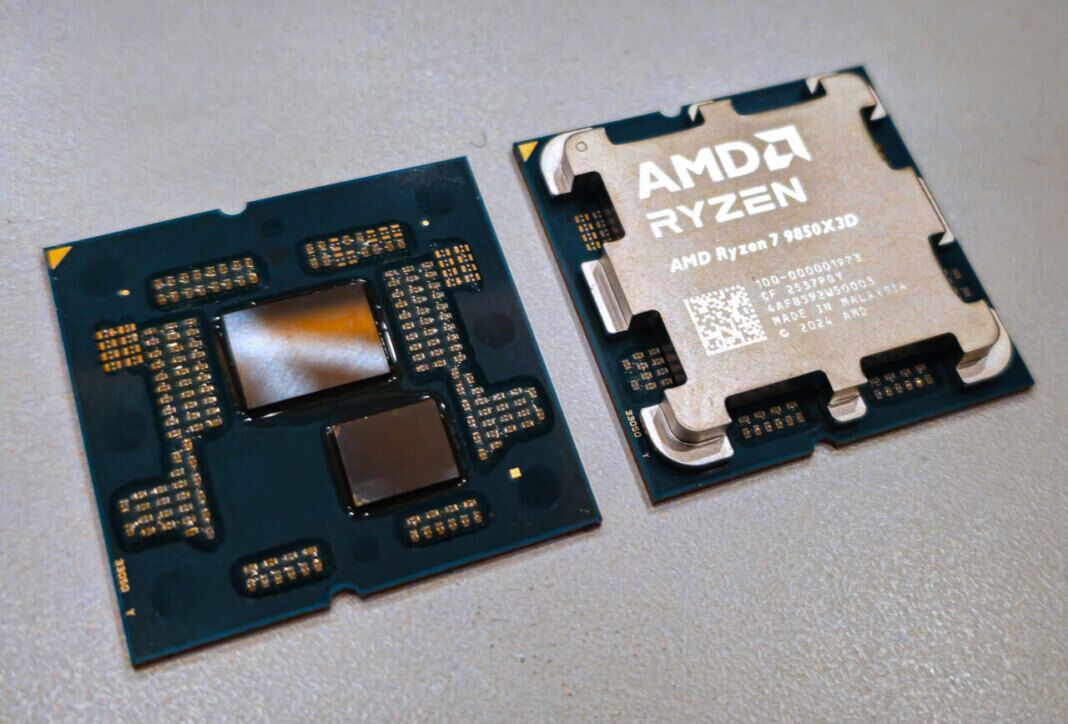
Gaming-focused Ryzen X3D chips add a concrete reason for AMD’s Steam strength. AMD’s X3D CPUs have helped gamer-oriented sales momentum because they target CPU-sensitive games rather than only general desktop workloads.
AMD’s 3D V-Cache gaming performance gives Steam users a practical reason to weigh those gaming-focused processors differently from ordinary desktop parts. Stacked-cache technology can improve performance in many games, making Steam’s gamer-heavy audience especially relevant to AMD’s desktop positioning.
Intel’s recent desktop chips have not erased the Steam decline. Core Ultra 200 Plus chips have not stopped Intel’s slide by the May snapshot, which keeps performance and upgrade timing at the center of the next desktop CPU contest.
Intel still held 55.02% in the May Windows table, so the data does not show a completed handoff in gaming PCs. Future Steam tables and Intel’s Nova Lake desktop roadmap will show whether Intel can slow AMD’s Windows gaming momentum.