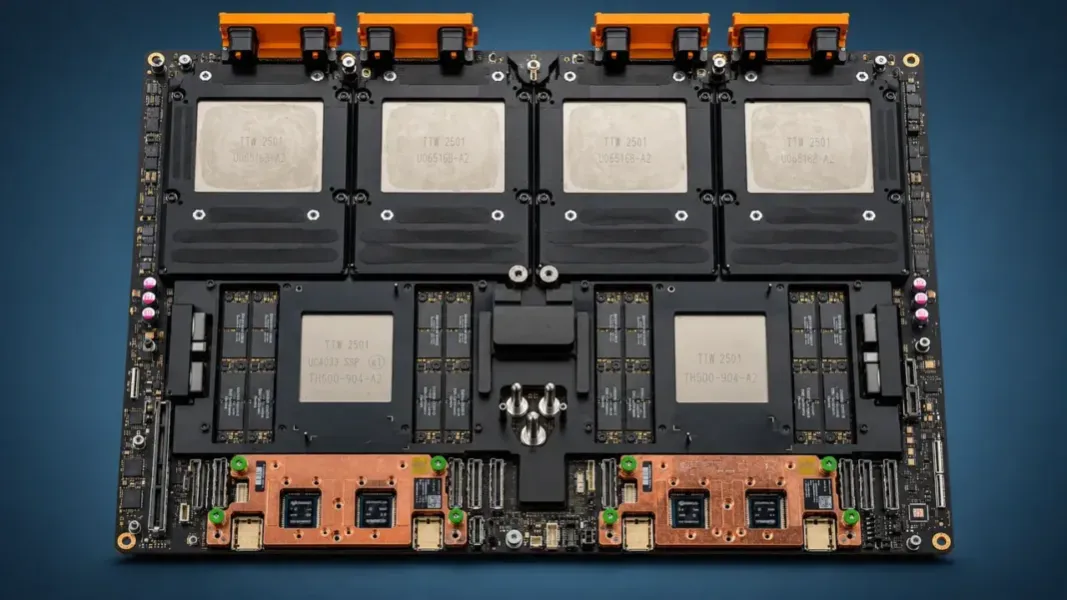
- New Buyers: Sellers floated deals for thousands of Nvidia B300 systems after the U.S. announced limits on overseas computing for Chinese firms, CNBC reported.
- Export Licenses: Suppliers need licenses if they know certain chips are destined for data centers providing substantial computing power to companies headquartered in China.
- Rental Demand: Some Asian data center operators looked for U.S. renters to take capacity intended for Chinese customers, Bloomberg reported.
Sellers of Nvidia’s high-end AI chips have been looking for new buyers since the United States announced tighter restrictions on Chinese companies renting computing power from overseas data centers. Two people familiar with the offers said the chips appeared to have been intended for facilities that would rent computing time to Chinese companies.
Jack Duhamel, president of AI infrastructure marketplace GPU Mart, said one seller told the marketplace it was putting Nvidia chips up for sale because of the rule. Duhamel and another source said sellers had floated deals covering thousands of Nvidia’s B300 graphics processing units, or GPUs, since the restrictions were announced on November 16. Data centers use these chips to train and run AI models.
How the U.S. Rule Reaches Overseas Data Centers
A company can pay to run AI workloads on chips that stay in another country. For instance, TikTok owner ByteDance rented access to Nvidia chips from Oracle to meet its AI computing needs through the U.S. cloud.
Shipping chips into China follows a separate licensing process. Nvidia said by November 20 it had stopped shipping its older H200 chips to China, after making limited shipments authorized by the Commerce Department.
The Commerce Department’s rule in force since November 19 applies to exports, reexports and in-country transfers of certain advanced chips to data centers worldwide. A supplier needs a license when it knows at the time of the transaction that the chips are going to a data center and that the center provides or will provide computing power above a set level to or on behalf of covered companies. Those include companies headquartered in China, Macau or certain other restricted destinations and companies whose ultimate parent is headquartered there.
The threshold is more than 12 million in aggregate total processing performance, a rating that adds up computing power made available at one data center or across linked sites. The rule makes an exception for computing supplied only to tools designed and used exclusively to recommend commercial products, services or content. Suppliers have to report the details, and the exception excludes tools that generate new content in response to users or incorporate generative models.
Commerce reviews applications case by case. Data centers that were already supplying covered computing power before the rule took effect have 90 days from November 19 to obtain a license if they want to continue.
A supplier can send covered chips without a license on or after November 19 if it knows of no covered use and no other license requirement applies. The supplier must notify the recipient that authorization is required if a data center later uses those chips to supply computing power above the threshold to or on behalf of covered companies. The notice specifies that the party transferring the chips for that later use, which could be the data center operator, must get authorization before the change and follow Commerce’s guidance on checking customers.
Commerce expects suppliers to learn how foreign data centers checked for customers owned or controlled, directly or indirectly, by people or companies in the covered destinations. If a center provides too little information, Commerce presumes the supplier knows about a restricted use unless the supplier resolves the concern before going ahead. That can leave suppliers having to assess renters they never deal with directly, trade lawyers at Morrison Foerster explained.
Some Suppliers Want Buyers to Rule Out Chinese Renters
After the November 16 announcement, chip sellers told some specialist cloud operators they would refuse to sell them Nvidia chips if any of the computing power is rented to Chinese companies, CNBC reported on November 26, citing two people familiar with the warnings. Nvidia had previously said it would withhold chips from customers leasing more than half their GPUs to Chinese companies, according to the same report.
Some Asian data centers that had counted on Chinese renters have computing power to spare, according to Ronit Jain, chief executive of the AI computing startup Liquid Compute. He told Bloomberg that operators were trying to line up U.S. customers for that capacity and that a temporary increase in the supply of computing time could push rental prices down.
I would expect B300 pricing to continue declining.
A staggering number of neoclouds have approached us @liquidcompute looking to remarket long-term B300 capacity originally committed to Chinese-affiliated offtakers into the US and Western Europe due to concerns of stricter…
— Ronit Jain (@ronitrjain) November 19, 2026
Liquid Compute’s index put the B300 rental rate at US$7.19 per GPU-hour on November 24, down from US$7.72 at the end of October. A GPU-hour is one hour of access to one graphics processing unit. The rate was still above the US$4.55 per GPU-hour Jain reported for a year earlier.