- Office Bugging: Former OpenAI engineer Abdulrahman Alfozan was indicted in a case alleging secret recording of confidential executive conversations.
- Chatbot Inquiries: Prosecutors link the alleged recorder to chatbot inquiries, meeting-room searches and a later visit after its removal.
- Pretrial Custody: A judge kept him in custody to ensure court attendance; his lawyers say a planned Saudi Arabia trip served family needs.
- Recorded Content: The contents of any recordings and whether they reached anyone outside OpenAI remain unresolved.
Former OpenAI engineer Abdulrahman Alfozan has been indicted over allegations that he planted a recorder to capture confidential executive conversations at the ChatGPT maker, the San Francisco Chronicle writes. The October 27 indictment follows an investigation into a device found behind a conference-room television and comes while Alfozan remains in federal custody.
The Chronicle reports that a federal grand jury indicted Alfozan for felony interception of oral communications, alleging conduct between September 28 and October 5. Prosecutors also seek forfeiture of equipment allegedly used in the offense. An indictment formally charges a defendant after a grand jury finds enough evidence to proceed.
How the Recorder Allegedly Targeted Meetings
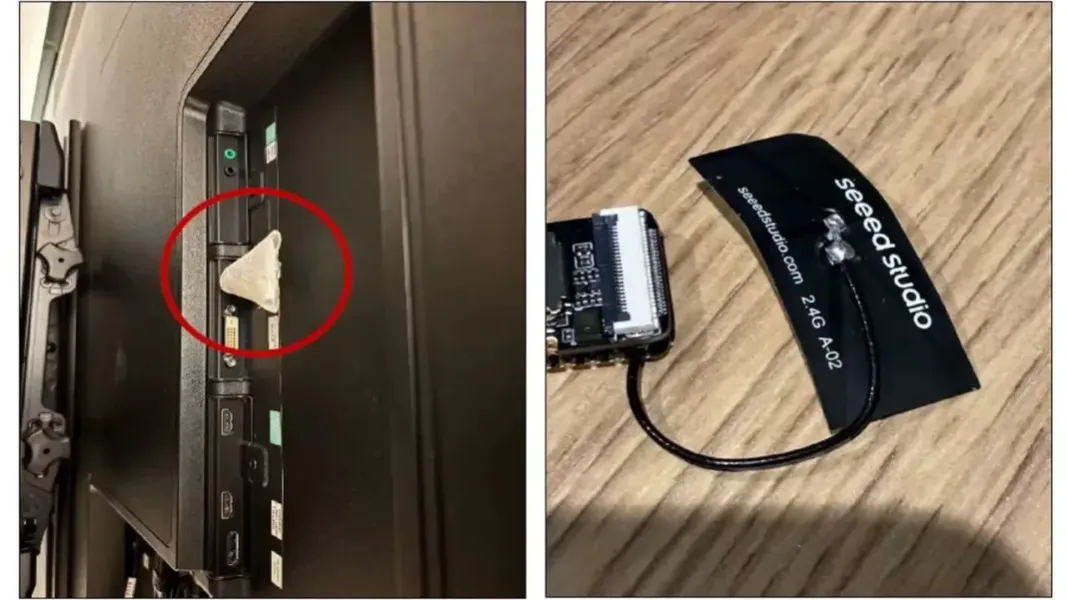
In an October 18 detention memorandum, prosecutors allege that Alfozan placed a customized audio recorder behind a television in an OpenAI executive conference room around September 28. They describe that room as a venue for leadership meetings, technical discussions and briefings with government officials and business partners, where participants discussed confidential research and commercial plans. Prosecutors say he lacked authorization to enter the room or attend its meetings.
Before the alleged installation, Alfozan used an internal OpenAI tool to locate executive meeting rooms and calendars, according to prosecutors. They say the recorder’s contents were encrypted.
They also describe recorder-building inquiries submitted through a chatbot account subscribed to his wife, which shared identifying information with his own account. Some inquiries included identifiers specific to the recorder found in the office.
OpenAI personnel discovered and removed the first recorder around September 30. On October 5, a camera captured Alfozan entering the room and apparently looking behind the television. Separately, security staff opened a bag he had left unattended in another room and found his wallet, identification and a similar recorder inside, according to the Justice Department’s account.
⭕️ The FBI arrested Abdulrahman Alfozan, a 35-year-old Saudi engineer at OpenAI, on Oct. 9 on charges of planting a recording device in an executive conference room at the company’s San Francisco office. Prosecutors say Alfozan hid the bug in the back of a television around Sept. 28, and the company’s security team found it two days later. The Financial Times reports it was a cheap Chinese-made device wrapped in toilet paper. OpenAI said it had “advanced encryption, audio monitoring capabilities” and a data-transfer mechanism “designed to evade monitoring.” Alfozan, his wife and another family member had booked one-way travel to Saudi Arabia for Oct. 12, according to newly unsealed filings. FBI Director Kash Patel said the scheme aimed to “capture sensitive communications about the company’s super intelligence technology.” Prosecutors have not alleged any link to a foreign government. OpenAI fired Alfozan the day of his arrest. Gulf contacts who knew him as a brilliant engineer and the father of a young daughter told the FT they were shocked by the arrest, describing him as polite and soft-spoken. “He can’t harm a fly,” one said. “Very aloof person. His mind always seemed to be elsewhere.” He faces up to five years in prison. 🎥 DOJ, FT
— Drop Site (@DropSiteNews) October 15, 2026
Defense lawyer William Pernik told during the October 19 detention hearing that the room was open to anyone and that Alfozan had used it for meetings. His lawyers dispute the recording allegations.
Why the Judge Kept Alfozan in Custody
The FBI arrested Alfozan on October 9, three days before he was scheduled to leave for Saudi Arabia with his wife and infant son. Prosecutors sought detention, arguing that his overseas ties, resources and planned one-way journey created a serious risk that he would not return to court.
The government also described an unnamed Saudi royal’s efforts to recruit him for an AI initiative, and Alfozan’s inquiries about OpenAI’s Saudi business engagements. In response to the work-related inquiries, Pernik told the October 19 hearing that OpenAI had encouraged Alfozan’s involvement with Saudi Arabia.
Separately, prosecutors said a Saudi military official paid for his wife and son’s travel after the arrest. The Saudi government offered to cover his bail, according to the court filings.
In their October 16 release motion, defense lawyers argued that the trip had been booked on September 13, before the alleged recorder installation, for family and immigration reasons. They described planned parental leave and a return to the United States after two months. They proposed GPS-monitored home detention, surrender of travel documents and financial guarantees as ways to keep him available to the court.
U.S. Magistrate Judge Alex G. Tse nevertheless ordered pretrial detention. His written October 21 order cited the one-way ticket, Alfozan’s loss of U.S. employment after OpenAI fired him, his family’s overseas ties and apparent Saudi-government support. Tse found that no combination of release conditions would reasonably assure his appearance.
OpenAI’s Response and the Wider Investigation
OpenAI said it had no indication that customer data or source code had been improperly accessed or taken.
Before the indictment, The Wall Street Journal reported that investigators were considering possible espionage or trade-secret charges, citing an unnamed law-enforcement official. Pernik said he had not been notified of such potential charges.
What the device captured, whether recordings left OpenAI and who might have received them remains unresolved.