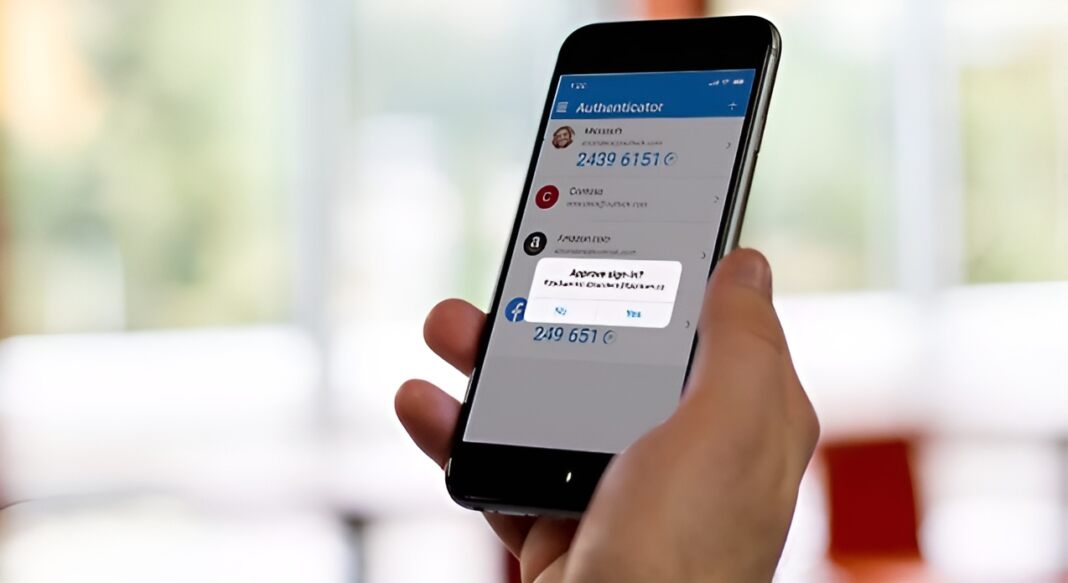
- Token Theft: Security firm Enclave’s Android test app obtained tokens granting access to work email and files through a patched Microsoft Authenticator flaw.
- Local Access: A malicious app had to run on the phone; Microsoft also says the user must complete an Authenticator sign-in process.
- Sign-In Methods: Posing as Authenticator yielded permissions to create or delete passkeys, the credentials used for passwordless sign-in.
- Fixed Version: Microsoft identifies Authenticator 6.2606.4246 as fixed and directs Android users to Google Play for updates.
A patched Microsoft Authenticator flaw let a malicious Android app obtain tokens granting access to work email and files in tests by security firm Enclave. The rogue app could impersonate a trusted Microsoft app on the same phone.
Enclave’s late-October 2026 AuthMask disclosure credits researcher Ofek Levin with the work. Its demonstration used a phone with Authenticator, a signed-in work account and the genuine Microsoft app being impersonated installed. The rogue test app declared no Android permissions; the work-data permissions came from Authenticator’s tokens.
Enclave says its test needed no further user interaction. Microsoft’s advisory says exploitation requires installing and running a malicious app and convincing the user to complete an authentication flow in Authenticator.
How Authenticator Trusted the Wrong App
Authenticator does more than generate codes or approve sign-ins. It can act as an authentication broker, providing single sign-on across Android apps so users can access several applications with the same signed-in account. The broker returns tokens that authorize an app to access particular resources for that user.
Microsoft introduced number matching in 2023 to help users check a displayed number before approving a sign-in request. For cross-app sign-in, Authenticator also needs to verify which app is requesting the user’s credentials.
The vulnerable component accepted requests from other installed apps. In Enclave’s account of the flaw, the requester supplied the identity of the app it claimed to be. Authenticator checked that supplied identity against the genuine app installed on the phone, rather than establishing that the request came from that app.
Authenticator could identify the actual requesting app, but used that information to manage concurrent requests instead of deciding whether to trust it.
With the genuine Teams app installed, Enclave’s rogue app could supply a valid Teams signing identity. Authenticator accepted the claimed identity and returned tokens to the rogue app for Microsoft Graph, the interface apps use to reach Microsoft 365 services. The tokens carried permissions to read and change mail, send messages, modify calendars and access files on behalf of the signed-in work user.
Work Data and Sign-In Methods
The result also included refresh tokens, which can obtain new access tokens when existing ones expire.
A separate test posed as Authenticator itself. Its returned permissions concerned changing authentication methods and creating or deleting passkeys, the credentials used for passwordless sign-in.
The Fixed Android Build
The flaw, CVE-2026-80097, affects Authenticator for Android versions from 6.0.0 to before 6.2606.4246. Microsoft identifies 6.2606.4246 as the fixed build. The advisory was published on September 8, 2026, and a September 15 revision corrected the listed fix build number.
Microsoft listed the flaw as unexploited in that September advisory. The extent of any subsequent use in attacks is unknown.
For affected installations, Microsoft’s update guidance points to the official Google Play listing. Users and administrators should update Authenticator for Android and verify that the installed version is 6.2606.4246 or later.