- Site Reuse: Nvidia and PreussenElektra, E.ON’s nuclear-decommissioning subsidiary, plan to assess former German nuclear sites as locations for AI data centers.
- Project Status: No concrete investment or site decision accompanies the proposed assessment, and no construction timetable has been disclosed.
- Battery Storage: In a separate Bavarian proposal, batteries could absorb surplus solar electricity for later use, according to energy minister Hubert Aiwanger.
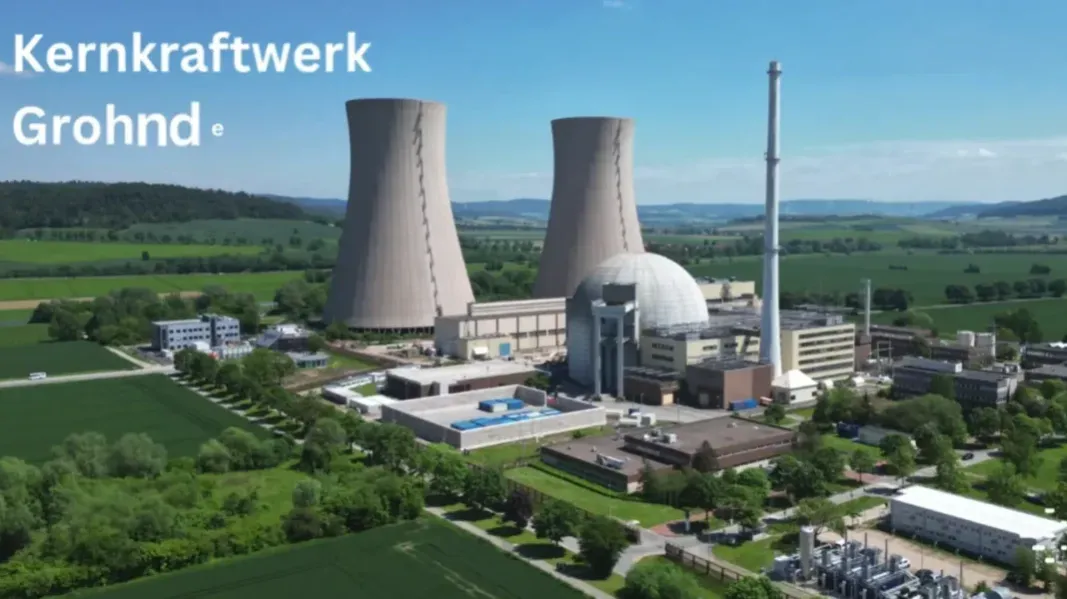
PreussenElektra, the E.ON subsidiary that dismantles retired nuclear plants, wants to assess its former German sites with Nvidia as locations for AI data centers. Their industrial land and energy infrastructure could give computing developers a starting point for new facilities.
Under the proposed collaboration, PreussenElektra would contribute its knowledge of the land, infrastructure and local conditions. Nvidia would evaluate the requirements of AI computing facilities and possible technical designs for the sites. The companies would then determine which locations merit more detailed project work.
PreussenElektra describes the proposed assessment as open-ended, covering technical, infrastructure, economic and regulatory requirements. No capacity target has been disclosed.
Why the Grid Connection Matters
Germany’s final three reactors, including Isar 2 in Bavaria, shut down on April 15, 2023. The proposed new use concerns the surrounding industrial sites and their infrastructure: AI data centers would consume electricity to run computing equipment.
For a developer, securing electricity delivery is a separate job from finding land. Data-center growth was already causing delays in grid access in some locations in 2024. Former power-plant sites can offer an advantage over starting from an unconnected plot because an existing grid connection may reduce infrastructure work or connection waits.
Isar’s Separate Data-Center and Battery Proposal
A separate plan announced in September shows how a former nuclear location could serve both computing demand and electricity storage. Munich investment company Advisum proposes a 100-megawatt AI data center and a battery installation rated at 900 megawatts on five hectares in Niederaichbach, near the former Isar 2 plant.
The location connects several important power lines. According to Bavaria’s economy ministry, the Isar substation is being expanded to receive up to four gigawatts of renewable electricity through the SuedOstLink transmission line by 2030. Completion of that work and commissioning of the line would allow further expansion of the switching facilities to connect additional batteries or electricity-consuming installations.
Bavarian energy minister Hubert Aiwanger argues that large batteries could absorb solar electricity when production exceeds demand and release it when needed. That would ease strain on the grid and help lower electricity costs for households and businesses. The storage proposal therefore has an electricity-network role beyond the data center’s own computing needs.
Who Pays for Additional Electricity Demand
In an October interview, Markus Krebber, chief executive of German power producer RWE, argued that rising demand requires more grid construction and firm generating capacity, meaning power available reliably when needed.
RWE has its own commercial interest in the redevelopment of old power sites. Krebber argued that the infrastructure costs created by additional demand should be borne by those creating it, rather than spread across electricity consumers. He also warned that data centers willing to pay more for power could put pressure on households and energy-intensive businesses competing for the same supply.