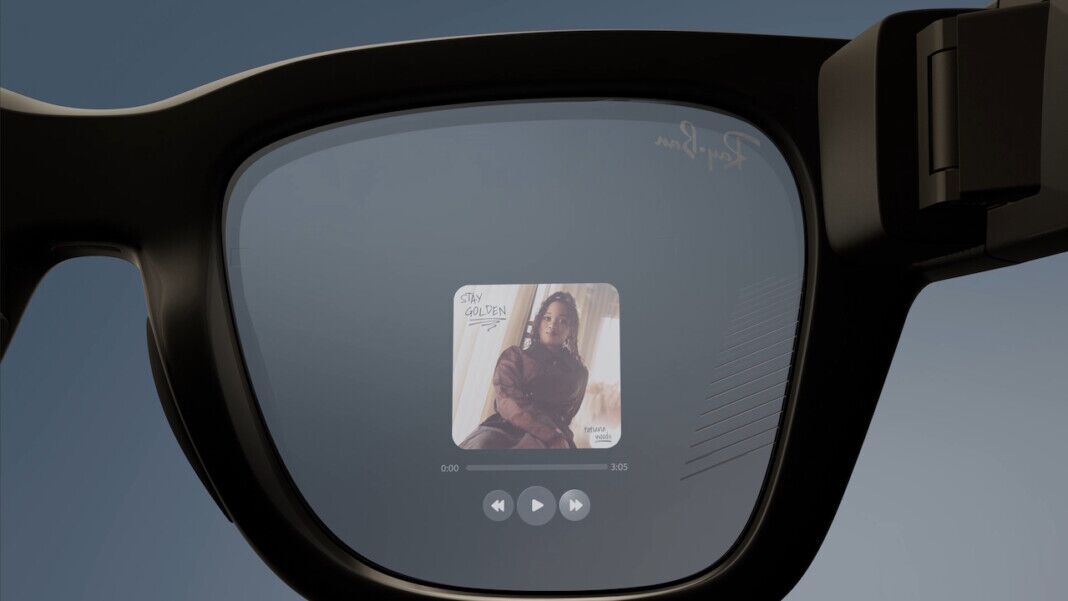
Wearing a computer on your face used to sound like pure science fiction. Today, AI smart glasses are quietly slipping into everyday life.
Instead of trying to glue a screen in front of your eyes 24/7, most of the newest models take a much simpler approach. They focus on the quick, frequent tasks you usually pull your phone out for – taking calls, playing music, snapping a fast photo, asking an AI a question, or checking directions.
The best thing about these glasses isn’t just the features – it’s how naturally they blend into your day. Not having to pull out your phone every two minutes sounds like a small shift, but it actually completely changes how you live alongside technology.
A More Natural Way to Use Technology
Think about how many times a day you pull out your phone just to glance at the weather, skip a track, read a quick text, or figure out where to grab lunch. Each thing only takes a second, but together, they constantly pull you away from whatever you’re actually doing.
Connected glasses give you a much smoother way to navigate these everyday moments. Instead of pausing what you’re doing to pull out your phone, you can just use quick voice commands or listen to discreet audio updates – all while keeping your hands free and staying present in what you’re doing.
It’s part of the evolution of wearable devices, with technology becoming more integrated into everyday life. The goal isn’t to ditch your smartphone entirely – it’s just about making those quick, daily tasks effortless so you’re not constantly glued to a screen or pulled away from the moment.
Why Audio Matters So Much
When people hear about connected eyewear, they often picture a small display built into the lens. But for many current products, audio is just as important as visual technology.
Having glasses with speakers means users can listen to music, answer calls, hear navigation instructions, or interact with an AI assistant without putting on traditional headphones.
Whether you’re taking the dog for a walk, battling your morning commute, squeezing in a workout, or just hanging out on the couch, it keeps you plugged into your digital life without completely tuning out the world around you. You get the updates you need right when they drop, all while staying totally present and aware of your surroundings. Honestly, going hands-free goes way beyond just being a neat convenience – it brings some genuine, practical perks to your day.
Beyond everyday life, wearable tech is opening up some incredible possibilities in high-stakes fields. For instance, medical researchers have been exploring how smart glasses can give surgical teams a seamless way to pull up patient vitals, talk hands-free in real time, and train staff during complex procedures like limb-preservation surgeries – all without anyone having to break sterile scrub or look away from the patient.
The study also highlighted challenges, including battery life, showing that hands-free technology in surgery could have practical applications as the technology continues to improve.
It’s a fascinating look at how hands-free tech can genuinely step up high-stakes environments where medical professionals need every ounce of focus locked onto the task right in front of them, without breaking concentration to check monitors or screens.
AI Makes the Camera More Useful
Having a built-in camera on a pair of glasses is handy enough on its own, but adding AI into the mix is where the real magic happens. Instead of just taking photos, the glasses actually understand what’s in front of you. They can spot objects, read text out loud, answer quick questions about your surroundings, or translate foreign signs on the spot.
Travel is a great example of how much smoother this feels. If you come across a street sign or menu in a language you don’t know, the old routine meant pulling out your phone, unlocking it, opening a translation app, taking a picture, and waiting for the text to convert. With AI glasses, you just look at the sign and ask – it feels more like a quick conversation than a multi-step task.
That same convenience carries over to everyday life at home or work. You could ask for quick advice while cooking with messy hands, identify an unfamiliar tool, or double-check a detail without breaking your momentum to check a screen.
The technology definitely isn’t flawless yet – AI can still misread images or give flat-out wrong answers. But the real appeal isn’t perfection; it’s the ability to get the information you need without constantly pulling yourself away from the world around you.
Meta Is Helping Push the Category Forward
Meta has become one of the most visible names in the smart-glasses market. Rather than making its eyewear look like a piece of experimental hardware, the company has focused on designs that can fit into everyday life.
Its product range combines cameras, microphones, speakers, wireless connectivity, and AI features with conventional-looking frames.
For users following this category, Meta glasses offer a useful example of how connected eyewear is evolving beyond the idea of glasses being little more than a camera or display.
Meta is also pushing to make its glasses far more useful for developers. By launching its Wearables Device Access Toolkit, the company is opening up access to the frames’ cameras, microphones, and sensors, giving creators the keys to build apps tailored specifically for hands-free use.
Instead of pulling out your phone and pointing the camera at something, an app could simply analyze whatever you’re looking at in real time through your glasses.
In the long run, this kind of software ecosystem will be just as crucial to making AI-powered glasses mainstream as any upgrade to the hardware itself.
AI-Powered Eyewear Probably Won’t Replace Phones
It’s tempting to imagine a future where we throw our smartphones away, but replacing them isn’t really the goal for connected eyewear.
Phones are still unbeatable at what they do best: giving us large screens, full keyboards, powerful cameras, endless apps, and the sheer horsepower needed for tasks that would feel awkward to do on your face. Connected frames aren’t trying to dethrone the smartphone – they just offer a friction-free alternative when pulling out a phone feels unnecessary.
Think of them the same way you think of wireless earbuds. When AirPods blew up, people didn’t stop using their phones; they just got a vastly more convenient way to take calls and listen to music throughout the day. AI-powered specs work in much the same way for quick, bite-sized moments. Snapping a photo, taking a call, asking a fast question, or getting directions doesn’t require staring at a display. You get what you need in seconds, and for everything more complex, your phone is still right there in your pocket.
Privacy Will Remain Important
One of the biggest differences between AI-powered frames and traditional specs is the built-in camera. When someone pulls out a phone to snap a photo, everyone notices. With connected glasses, though, it’s not always obvious when a picture or video is being captured – and that makes knowing where and when to use them tricky.
Venues like museums, offices, restaurants, and concert halls often have strict rules about filming, even if it’s completely hands-free. But beyond official policies, it really boils down to basic courtesy. Just because your eyewear lets you record discreetly doesn’t mean it’s the right time or place to do it.
Tech companies can certainly help by including bright recording lights and physical privacy switches on the hardware. Still, design tweaks alone won’t solve everything. For camera-equipped specs to truly feel like a normal part of daily life, people need to feel at ease – not just wearing them, but being around others who are using them, too. Striking that balance will be just as critical as upgrading the technology itself.
The Small Improvements Could Matter Most
The future of connected frames probably won’t hinge on one flashy, mind-blowing feature that grabs headlines. It’s really about nail-biting the fundamentals. People want all-day battery life, crisp audio, clear mics, and frames that feel light enough to wear from morning to night. Just as importantly, the AI needs to be reliable, and the software needs to offer enough genuinely useful tools to justify putting them on every single day.
These specs don’t need to replace every gadget we own or completely revolutionize how we live online. Often, the biggest impact comes from subtle conveniences – getting a fast answer, listening to audio, or taking care of quick tasks without reaching for your phone. If connected eyewear can make those small moments effortless, it could slowly reshape our relationship with technology: making it feel less like something we’re constantly checking, and more like something quietly helping out in the background.
About the author
Ben Hartwig is the web operations executive at Court Case Finder, where he oversees website operations, digital strategy, and the user experience. His work focuses on improving site performance, making court record searches easier to navigate, and coordinating content and technical improvements. With expertise in data privacy, cybersecurity, and public records, Ben helps ensure the platform provides clear, useful information while supporting responsible access to legal data.