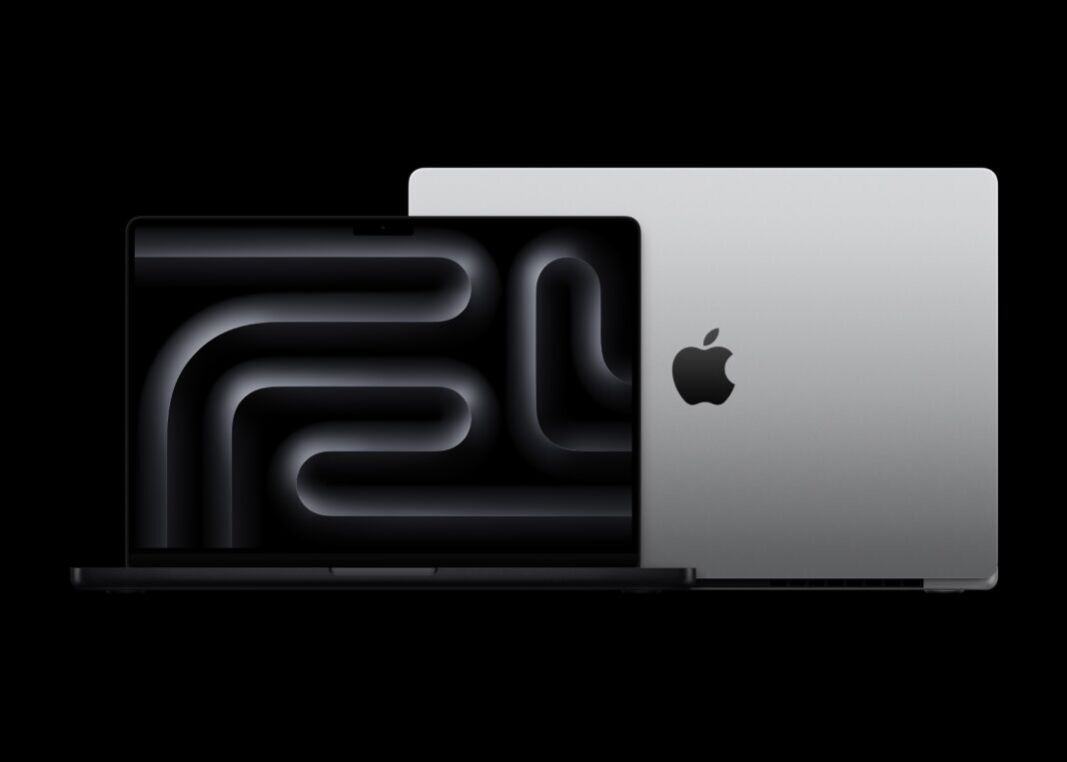
- New Filing: Apple says preliminary MacBook findings support faster discovery in its pending trade-secret case involving OpenAI.
- Forensic Trail: The examiner reported synchronized simulation files and metadata pointing to a separate Mac Mini, but the examination remains incomplete.
- Legal Limit: The filing is not a court finding, and defendants’ earlier denials predate the new forensic claims.
- Next Step: Apple wants permission to add the materials and seeks a ruling granting expedited discovery.
In an August 31 supplemental filing, Apple asked a California federal court to let it add preliminary forensic findings from a MacBook delivered through former employee Chang Liu’s counsel to its trade-secret case involving OpenAI. Apple says the examination supports faster discovery, but the filing presents allegations and expert interpretations, not court findings.
The new filing does not ask the court to decide the lawsuit’s merits. Its immediate purpose is to add a supplemental brief and supporting declarations to Apple’s pending motion for expedited discovery, with limited briefing from the defendants. The attached brief asks the court to grant that earlier motion so Apple can examine more devices, accounts and communications while its preliminary-injunction request is pending.
The MacBook matters because the examiner says it contained a dated simulation trail while metadata pointed to another computer as the source of related files. That gap between the examined device and the reported source device gives Apple a concrete basis for arguing that ordinary discovery will not move quickly enough.
What the MacBook Added
Apple filed the case on July 10 in the U.S. District Court for the Northern District of California. The complaint names Chang Liu, former Apple executive Tang Yew Tan, two OpenAI entities and io Products. Earlier WinBuzzer coverage addressed the original allegations and OpenAI’s response. The August 31 filing is a later evidentiary development in the same case.
According to the public filings, Liu’s counsel arranged for a forensic vendor to send the MacBook to CRA, Apple’s retained examiner. Apple says counsel delivered the equipment on August 21, and CRA forensically imaged the MacBook on August 24. The examiner, Daniel Roffman, described the work as ongoing.
Roffman reported that files in Liu’s iCloud Drive synchronized onto the MacBook on April 11. Among them, he found an output file recording a March 18 circuit simulation and companion-file metadata indicating that related files had been added to iCloud Drive from a computer named Mac Mini. In other words, the examined MacBook held synchronized artifacts, but the metadata identified a separate device as the likely source of the companion files.
The declaration also describes communications around the simulation that referred to an AI agent running it and later discussion of restoring devices. Some supporting exhibits and technical details are sealed or redacted. The public record therefore does not show the full messages, establish that a device was restored, or prove that data was deleted.
Apple and its retained experts draw a broader inference from those observations. They argue that Liu used an Apple proprietary circuit file after joining OpenAI and that the file may have been made available to an AI agent. A second declaration explains that the simulation software creates companion files that ordinary use can later overwrite. Apple says those characteristics make prompt access to other devices and accounts important.
Those are Apple’s allegations and expert opinions. The public filings do not establish that OpenAI trained a model on the file, that any defendant deliberately destroyed evidence, or that the reported circuit material legally qualifies as a misappropriated trade secret.
Why Apple Wants Faster Discovery
Apple’s immediate request is procedural. It asks permission to file the five-page supplement and proposes allowing the defendants a five-page response. The proposed order attached to the filing was unsigned in the public docket reviewed through September 1.
The supplement, in turn, supports Apple’s earlier request for expedited discovery. Apple wants written discovery, depositions and forensic access concerning how its information may have been accessed, used, disclosed, preserved or lost. The new MacBook material narrows that argument around a reported simulation, synchronized artifacts, a second device and related accounts rather than relying only on the original complaint.
That relationship also explains why the synchronization detail is central. If the relevant companion files originated on a Mac Mini and merely appeared on the MacBook through iCloud, examining the MacBook alone cannot answer who used the source device, what else it contained or whether other systems received the material. Apple presents that unresolved chain as a reason for speed, not as a completed answer.
What Defendants Had Argued
In an August 18 opposition, filed before Apple received the preliminary forensic reporting, the defendants denied misappropriation and challenged both the urgency and breadth of Apple’s discovery requests. They argued that ordinary discovery would make acceleration unnecessary and that Apple’s proposals were burdensome and insufficiently tied to the preliminary-injunction dispute.
The parties later agreed not to oppose the narrow administrative step of asking permission for supplemental briefing. Their stipulation expressly says that agreement is not a concession about the merits, relevance, admissibility or weight of Apple’s new material. No response to the supplement itself appeared on the reviewed docket by the September 1 update, so the August 18 filing remains a prior position rather than a rebuttal to the MacBook claims.
The Court Still Has to Weigh the Filing
The public version of Apple’s package includes redacted declarations and identifies sealed exhibits. That boundary matters because the visible record supports a limited chain: a MacBook delivered through Liu’s counsel, a preliminary forensic image, a simulation output, synchronization metadata pointing to another device and Apple’s request to investigate further. It does not expose the full technical material or resolve the parties’ competing accounts.
The court still must decide whether Apple may add the supplemental materials and whether the new showing justifies faster discovery. Questions about admissibility, evidence preservation, trade-secret status, misappropriation and liability remain for later proceedings.