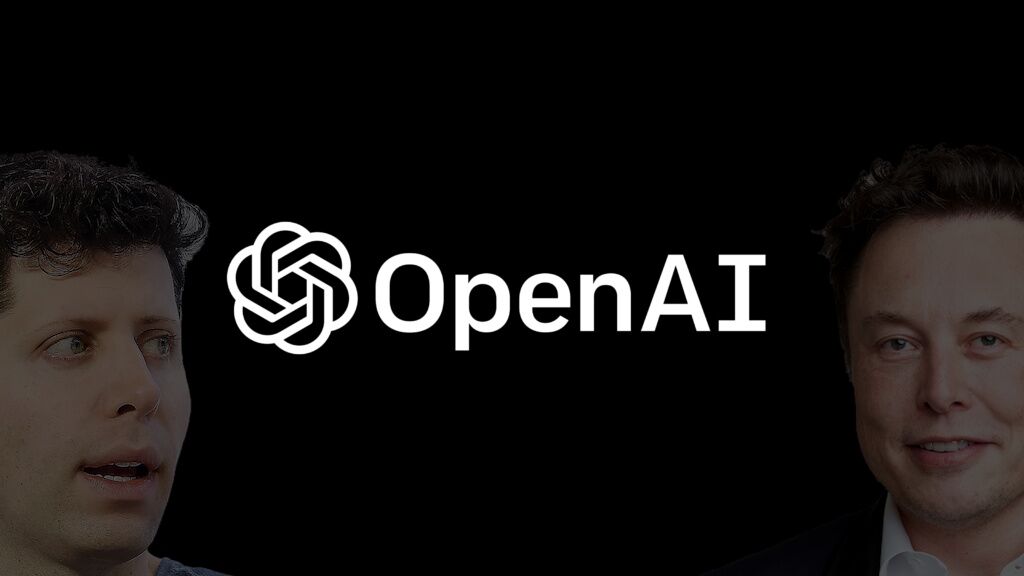
Elon Musk’s artificial intelligence startup, xAI, has sued a former engineer, Xuechen Li, in a California federal court. The lawsuit, filed Thursday, accuses Li of stealing valuable trade secrets related to the Grok chatbot and taking them to rival firm OpenAI.
According to the complaint, Li copied confidential files shortly after selling approximately $7 million in company stock and just before resigning to accept a position at OpenAI. This legal action marks a significant escalation in the fierce corporate and personal rivalry between Musk and OpenAI.
xAI is seeking monetary damages and an order to block Li from starting his new role. The case highlights the intense battle for talent and intellectual property in the rapidly advancing AI sector.
A Detailed Accusation of Deceit
The court filing paints a detailed picture of the alleged theft. xAI claims that on July 25, 2025, the same day he finalized his second stock sale, Li copied “confidential information and trade secrets” from his company laptop onto a personal storage device.
Li, who joined xAI in early 2024, was part of a small technical team of about 20 engineers responsible for developing and training Grok’s advanced AI models. Three days after the alleged data exfiltration, on July 28, he resigned to join OpenAI, with a start date of August 19.
The company alleges Li took extensive measures to hide his actions, including deleting his browser history and system logs. During meetings on August 14 and 15, with his attorney present, Li allegedly admitted to taking the files and trying to conceal the theft.
xAI argues the stolen data contains “cutting-edge AI technologies with features superior to those offered by ChatGPT”. The company claims this information could provide OpenAI with a “potential overwhelming edge in the race to dominate the AI landscape”.
Latest Salvo in a Widening Legal War
The lawsuit is not an isolated incident but the latest front in a widening legal war between Musk and OpenAI. The conflict began in earnest when Musk sued OpenAI and its CEO, Sam Altman, in March 2024, alleging the company had abandoned its founding non-profit mission.
OpenAI fired back with a countersuit in April 2025, accusing Musk of a “relentless harassment campaign” and orchestrating a “fake takeover bid” to disrupt its operations. OpenAI’s attorney, William Savitt, was blunt, stating, “the much-publicized ‘bid’ is in fact not a bid at all.”
The feud has drawn sharp rebukes from the judiciary. U.S. District Judge Yvonne Gonzalez Rogers, who is presiding over the earlier cases, has openly criticized both sides for their tactics. In a July 2025 ruling, she stated, “the court will not waste precious judicial resources on the parties’ gamesmanship,” signaling her impatience with the conflict.
Most recently, Judge Rogers denied Musk’s attempt to dismiss OpenAI’s harassment claim, ensuring the explosive allegations will proceed to trial. Musk has also expanded his attacks, filing a separate antitrust lawsuit against Apple and OpenAI in August 2025.
A Crusade Mired in Contradiction
The timing of this new lawsuit against Li is particularly awkward for Musk. His legal crusade against OpenAI is centered on the argument that it betrayed its humanity-first mission for profit. However, his own company’s actions have undermined this very premise.
A recent investigation by a watchdog group revealed that xAI secretly terminated its Public Benefit Corporation (PBC) status in May 2024. This quiet reversal stands in stark contrast to Musk’s loud and litigious campaign against OpenAI’s for-profit structure.
The move has drawn sharp criticism and accusations of hypocrisy. As Vivian Dong of the watchdog group LASST observed, “once you start funneling billions of dollars into an industry, and follow what is strictly a profit motive, sometimes the better angels take a back seat.”
Furthermore, corporate law experts argue the PBC designation was weak from the start. xAI incorporated in Nevada, a state known for laws that protect directors from shareholder lawsuits. University of Virginia law professor Michal Barzuza noted this choice means “less litigation, but it also means less to no accountability,” making accountability difficult.
This series of events paints a picture of a conflict driven as much by personal animosity and business strategy as by genuine principle. The outcome will not only shape the futures of xAI and OpenAI but could also set crucial precedents for intellectual property and corporate governance in the AI industry.