- Federal Funding: A shareholder lawsuit says Trump officials pressed Intel for a government stake in exchange for $8.9 billion in federal chip funding.
- Cash at Closing: Intel received $5.7 billion at closing. Another $3.2 billion depended on work under a separate federal chip program.
- Voting Power: Intel shares issued to the Commerce Department diluted other investors’ voting power. Commerce generally must vote them as Intel’s board recommends.
- Nvidia’s Board: U.S. officials also weighed in at Nvidia, whose board reversed course and reinstated CEO Jensen Huang.
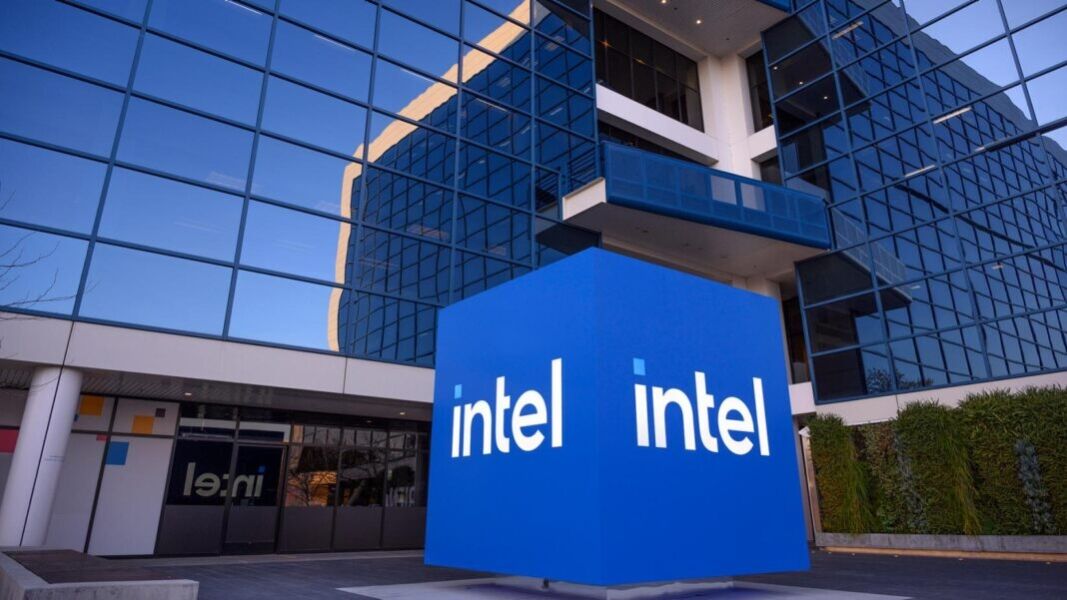
Intel agreed to give Washington a stake in August 2025 in exchange for faster access to billions in federal chip funding. A Commerce Department lawyer warned Intel that rejecting the deal could have consequences, according to a shareholder lawsuit. The Trump administration played a different role when Nvidia brought back CEO Jensen Huang. In announcing his return on Nov. 23, 2026, Nvidia said input from senior U.S. officials gave its board confidence that reinstating Huang posed no national security risk.
From a Resignation Demand to a Funding Deal
President Donald Trump called for Intel CEO Lip-Bu Tan to resign on Aug. 7, 2025, after questions about Tan’s business ties to China. Four days later, the two met at the White House and Trump publicly praised Tan. Commerce proposed exchanging funding for stock on Aug. 18.
The suit cites Intel’s notes from a call between Commerce Department lawyer David Shapiro and Intel chief financial officer David Zinsner. According to the notes, Shapiro said Trump expected to announce a deal that Friday. He warned that if the board turned it down, it could face consequences he could not predict. Josh Rogin reported the warning in June after parts of the complaint were unsealed.
Intel shareholder Richard Paisner says the board learned of the demand on Aug. 20. By then Commerce Secretary Howard Lutnick had publicly made the case for taking equity in exchange for grant money. Intel signed the agreement on Aug. 22.
What Intel and Washington Got
The Biden administration had awarded Intel up to $7.865 billion under the CHIPS Act to expand U.S. chip manufacturing. Payments were tied to milestones such as finishing construction or reaching production targets. In its Nov. 25 report on the Intel negotiations, WIRED quoted a person familiar with the talks who said Intel needed the money as revenues fell.
At the Aug. 27 closing, Intel and Commerce dropped the project milestones for the accelerated funds. Intel received $5.7 billion that day when it issued about 275 million shares to Commerce and set aside about 159 million for possible later transfer. The payout also required Intel to issue a warrant giving Commerce a conditional right to buy more shares.
The stock agreement covered $8.9 billion in total. Beyond the $5.7 billion Intel received at closing, up to $3.2 billion was payable for work under Secure Enclave, a CHIPS Act program that supports chipmaking for the U.S. government. Intel releases shares from the pool it set aside as those payments arrive. The 9.9% stake Intel announced included the entire pool. Intel released about 24 million shares from it in the nine months through Sept. 26, 2026. When Intel’s eligibility for those payments ends, Commerce gets half of any shares left in the pool without making another payment. The rest are canceled.
The new shares diluted other Intel investors’ ownership and voting power. The agreement generally requires Commerce to vote for the board’s nominees and recommendations, with exceptions for matters such as votes that could jeopardize the funding agreement or Intel’s relationship with Washington. The warrant covers up to about 241 million more shares at $20 apiece and expires five years after closing. Commerce can exercise it only if Intel’s ownership of its chip manufacturing business falls below 51%. Buying those shares would further dilute other investors’ ownership.
Why Intel’s Lawyers Defend the Deal
Paisner sued on Intel’s behalf in March 2026, arguing that its directors gave up a valuable stake to unlock money the company had already been awarded. He also contends that Commerce lacked authority to demand the shares. He seeks to undo the agreement and recover damages for Intel.
Intel’s lawyers say the directors negotiated better terms and made the funding available sooner while giving Washington a financial interest in the company’s success. Commerce argues that the CHIPS Act gives the secretary discretion over the terms of funding agreements. Lutnick and Tan publicly presented the deal as a partnership days after Intel signed it.
The Art of the Deal: Intel. pic.twitter.com/JZk8AKmT2I
— Howard Lutnick (@howardlutnick) August 25, 2025
Scott Lincicome, a vice president at the Cato Institute, told WIRED that political pressure could shift a board’s priorities from the interests of its company and shareholders to the demands of the government. Commerce moved the case to federal court in April. The defendants filed motions to dismiss in May.
How Nvidia’s Board Reversed Course
Commerce had made an earlier payout conditional on Intel issuing shares. At Nvidia, the White House addressed a security concern for directors deciding who should run the company. Nvidia board chair Harvey Jones told investors on Nov. 17 that the board had no plans to bring Huang back. The directors then voted unanimously to reinstate him after meeting with Huang and receiving input from senior U.S. officials.
Trump said he had persuaded the board. He and Vice President JD Vance spoke with Huang and Nvidia directors and that the administration told directors Huang was not a target of a Justice Department investigation. Nvidia said its independent directors would continue their investigation into reports of foreign intelligence targeting Huang.