- Garage Wind-Down: Microsoft is winding down its Garage employee experimentation program, ending its role as a companywide support organization.
- Local Access: Some Garage spaces could restrict access from October 23; Microsoft has not identified the affected locations.
- Hackathon Redesign: The Global Hackathon, an annual employee project event, is being redesigned; Microsoft has not detailed its future format.
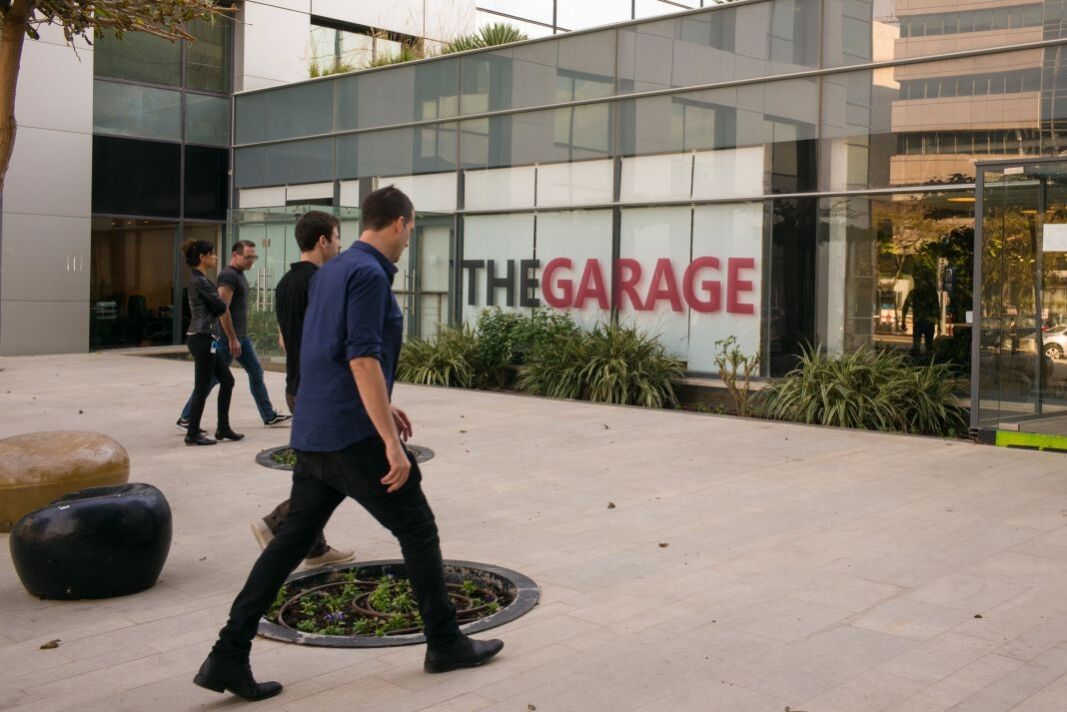
Microsoft is winding down the Garage, its program for helping employees develop experimental projects, according to an internal FAQ reported by GeekWire. The decision ends centralized support that connected colleagues across teams and gave them expert help, workshops and places to build prototypes.
The Garage combined Microsoft’s annual Global Hackathon with year-round support for experimentation. Its physical network extended across 15 regions in 2026.
The Support Behind Employee Experiments
The Microsoft Garage helped employees find skills and collaborators beyond their usual teams. In a 2017 WinBuzzer interview, Anne Legato, then the Garage’s chief communicator, described how expert volunteers advised project teams on engineering, design, bringing products to market and analyzing usage. Employees and interns could participate, and established Microsoft teams used the program for experiments alongside spare-time projects.
Garage facilities offered tools, talks and workshops. In India, the equipment included 3D printers and laser cutters for building prototypes. An internal matching platform helped people find teammates across offices and disciplines.
From Hackathon to Seeing AI
Seeing AI, a free Microsoft app that helps blind and low-vision users read text and identify products, is only one of many projects that came out of that kind of collaboration: Data scientist Anirudh Koul assembled a 16-person team across American and British offices for the 2015 hackathon. London software engineer Saqib Shaikh, who is blind, found Koul’s project among the submissions and contacted him to join the effort.
Microsoft researcher Margaret Mitchell supplied image-captioning technology. After the hackathon, Shaikh’s managers gave him two months away from his regular project to help build the app. Mitchell hired Koul to work on it full time, and Garage interns took on development work. The participants credited those interns with making the app possible.
The Verge’s Tom Warren, who also reviewed the internal FAQ, reported on October 22 that employees he spoke with viewed the closure as another of many recent cutbacks. He argued that the Garage’s mix of expert advisers, equipped workspaces, workshops and internships would be difficult to replicate.
Changes to Spaces and the Hackathon
Microsoft separately confirmed to GeekWire that it is changing some Garage spaces as part of an ongoing review of its physical facilities. The internal FAQ says local effects will vary, with some spaces potentially restricting access from October 23. The affected locations were not specified. Employees cannot take equipment, tools or materials with them.
Mouse without Borders also began as a Garage side project. The utility lets one keyboard and mouse control up to four computers and retains an official Download Center listing. It is also part of PowerToys, Microsoft’s collection of Windows utilities.
The team behind the Global Hackathon is redesigning the annual event, where employees form groups to work on projects of their choosing. Microsoft has not specified the new format or timing.