- New Model: Canva’s Craft image generator is available worldwide through its Dream Lab tool, with planning aimed at better text and layout control.
- Editable Designs: Magic Layers can convert Craft images into editable text and objects, and also accepts pictures from rival generators.
- Developer Preview: Craft’s API lets software create images, but apps using this preview interface cannot pass Canva’s public-app review.
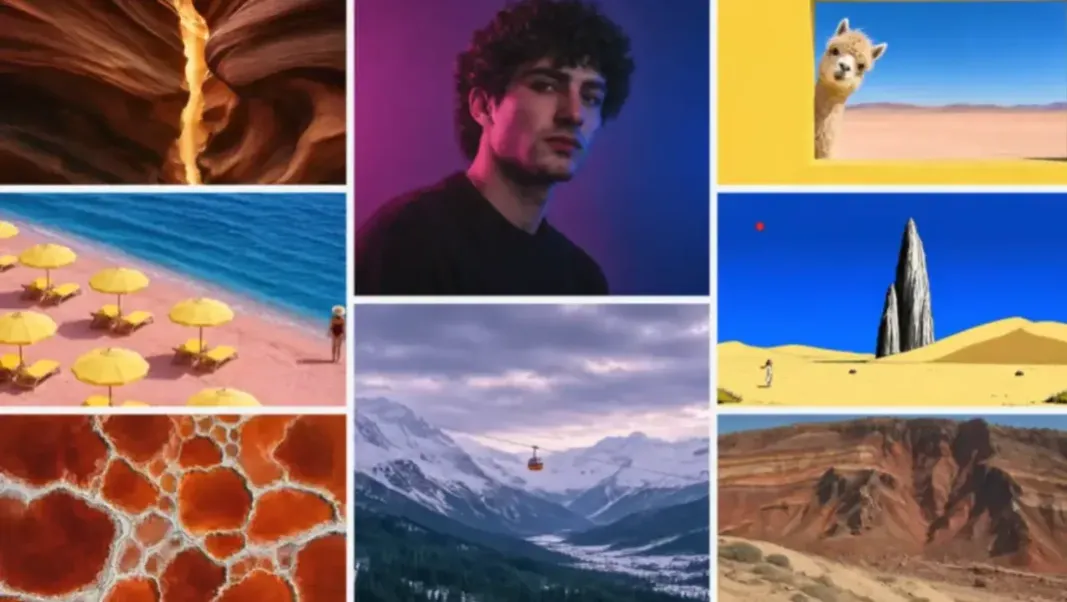
Canva has released Craft, an AI image generator intended to give people making posters, social graphics and presentations more control over text and layout. The company says it trained the model using millions of human-made design templates, teaching it how words and visual elements fit together.
The model was built by Canva Research, the design software company’s in-house AI lab. Researchers from Leonardo.Ai, the image-generation company Canva acquired in 2024, contributed to Craft.
Dream Lab launched in October 2024 using Leonardo’s Phoenix AI model, with image generation, visual guidance from uploaded content and options to refine results before adding them to a Canva design.
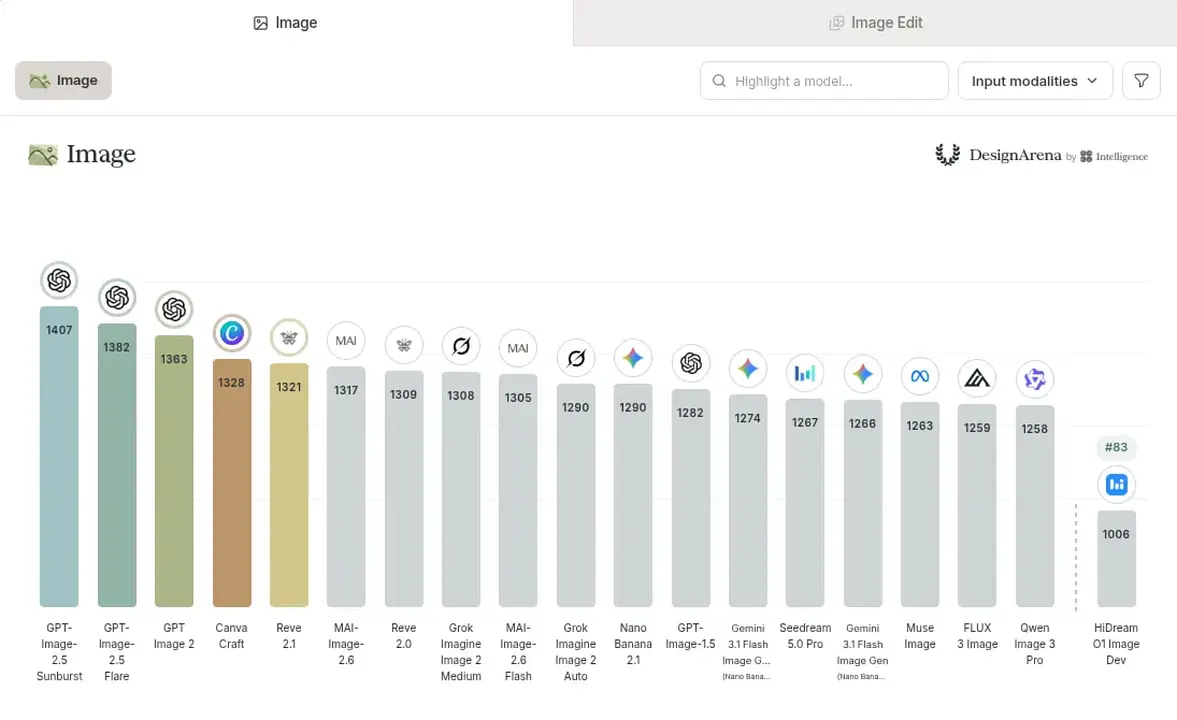
Craft scores fourth on the DesignArena leaderboard for AI image generation. The service ranks models using community preferences between paired outputs.
Planning the Image, Then Editing the Result
Craft splits generation between two models. The first interprets the prompt and writes a composition plan specifying the elements, their positions and relative sizes, their visual prominence, and any required text. The second turns that plan into an image. Canva credits this approach with more accurate lettering and object placement, and finer control over changes to individual elements.
Craft generates images at up to 2K resolution. Within Canva, users can choose from more than 30 aspect ratios, meaning the proportions between an image’s width and height, or enter their own. Craft can render text in 55 languages.
Canva’s existing Magic Layers converter restores text in a generated picture as live text boxes and separates objects from the background. A creator can then change a font or move an object instead of regenerating the picture. Canva says Craft’s planned structure helps that conversion.
Magic Layers accepts images from ChatGPT and Gemini as well as Canva AI, so a creator can generate elsewhere and bring the picture into Canva for element-level changes. The converter carries a Beta label, and each conversion consumes part of the account’s shared premium AI allowance.
Introducing Canva Craft 🚀
Extraordinary image generation is now available to everyone, powered by our first frontier model built specifically for design.
With Craft, Canva is now the world’s second most advanced AI lab for image generation on @DesignArena‘s global leaderboard.… pic.twitter.com/j8T6ssAHJP
— Canva (@canva) October 22, 2026
Other Image Models Offer Different Controls
Google’s Nano Banana 2.1 image model supports conversational editing, reference images and output up to 4K. It can also use Google Web and Image Search to ground a generation in retrieved information.
OpenAI’s GPT Image 2.5 Sunburst and Flare models support image generation, reference-image editing and successive revisions in a conversation. A mask can indicate the area to change, although OpenAI describes it as guidance rather than an exact boundary. Its also still has difficulties with precise text placement, recurring characters and structured compositions.
Canva recommends Craft for work including infographics, posters and slides, while recommending Z Image Turbo for images containing text.
While Gemini mostly reproduces requested wording and numbers correctly, ChatGPT still might add unwanted spacing sometimes, like between a currency symbol and the corresponding number. But Gemini also still might make such errors like drawing a desk scene’s watch at 3:00 instead of the requested 3:15.
Dream Lab and the API Have Different Limits
Craft is available to Canva users worldwide through Dream Lab, though organization or class administrators can disable the tool. Generation draws on a shared AI allowance, with the amount consumed affected by the complexity of the prompt or task.
Canva’s image-generation API is a preview. The API lists six aspect ratios, compared with the broader choice inside Canva, and generation consumes the acting user’s allowance. Requests fail when that allowance is exhausted.
Canva is developing Craft-fast and Craft-ultrafast, intended to reduce the computing cost of image generation, alongside more advanced editing and reference-image capabilities. Craft-specific integration through Model Context Protocol, the standard that lets AI assistants call external tools, is also listed as coming soon.