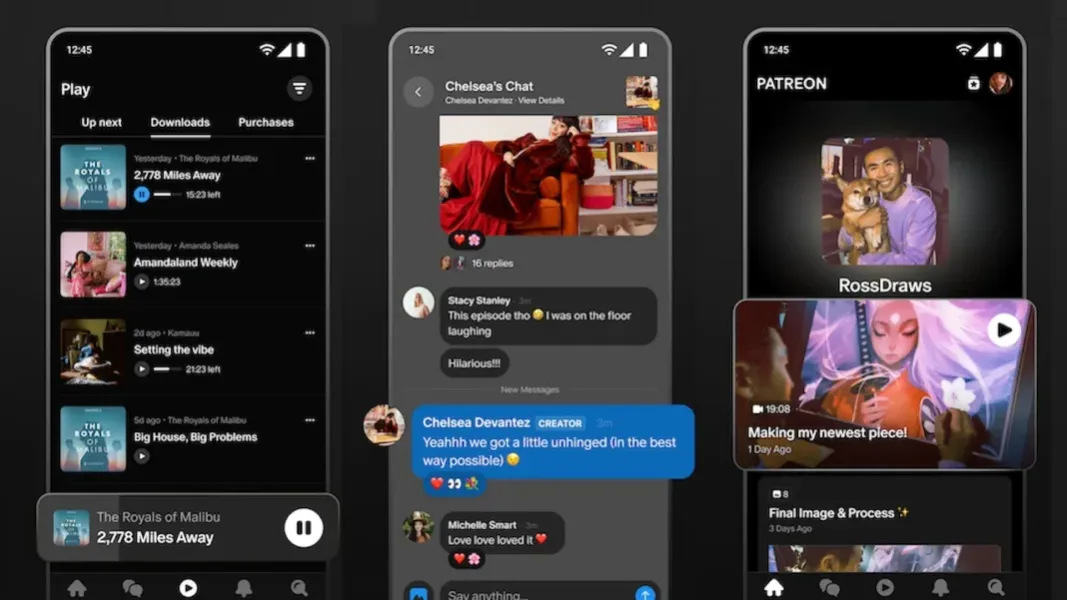
- Blocking Change: Patreon says it has started blocking AI training crawlers that collect creators’ work without permission.
- Selective Access: Cloudflare controls separate model-training collection from indexing designed to send users back to creators.
- Company Test: Patreon says individual training bots’ weekly requests fell from thousands to zero, but no independent audit confirms durability.
- Creator Reach: The policy must keep permitted indexing functional while sustained blocking prevents unauthorized training collection.
Patreon has started actively blocking AI training bots on July 16. Its technical barrier is designed to stop bots before they receive creators’ work, while targeted bots collect that material to train or fine-tune AI models.
Under Patreon’s stated plan, the platform will continue allowing indexing bots that organize pages and can direct users back. Selective blocking is intended to give creators a technical barrier against training collection without a blanket bot ban that could reduce audience reach and referral traffic.
In company testing, Patreon recorded that requests from individual training bots stopped. Patreon did not identify the bots, and no independent audit establishes whether the reduction will persist or extend to bots the platform did not detect.
How Patreon Turns a Request Into a Block
Patreon says it is using Cloudflare’s purpose-based bot controls. Cloudflare classifies AI bot behavior as Search, Agent or Training. Training bots collect material for model development, while Search bots index content for later answers.
Separating those purposes lets Patreon target model-training collection while preserving bots intended to help people find creators. Cloudflare places crawlers used for both search and model training in its Training category. Customers can apply AI bot blocking across an entire zone or only on pages with ads.
Mixed-purpose treatment closes an obvious loophole because a bot cannot claim a search function while using the same identity for training collection. Patreon has not disclosed which page scope it applies to each creator surface.
Cloudflare’s categories also create the policy’s main operational risk. A classification mistake could expose creator work by labeling a training bot as Search, or block an indexer that sends visitors back by labeling it as Training. Outsiders cannot yet determine how consistently the restriction covers public pages, feeds and other access paths.
The system turns consent from a voluntary request into an access decision: a request can be evaluated and denied before protected material is served. Patreon summarizes that rationale in nine words: “Consent shouldn’t depend on whether a scraper chooses to behave.”
Crawler Control Is Becoming a Product Category
Patreon used robots.txt instructions as a voluntary crawler deterrent in 2023. Its new enforcement applies the type of anti-scraping controls Cloudflare introduced in 2024 to a creator-consent policy. An edge service can evaluate and reject a request before delivering protected material instead of waiting for voluntary compliance.
Cloudflare broadened that model in July 2025 by asking new domains whether to allow or deny AI bots. More than one million customers had enabled one-click blocking by then.
Cloudflare is not the only edge provider offering these controls. Fastly AI Bot Management lets operators detect, block, deceive or allow AI bots. Operators can also rate-limit or challenge requests based on bot behavior and risk.
Rate limits reduce volume without a total block, while challenges provide another check before a site serves content. Platforms choose among those responses based on which bot purposes deserve access and how they handle uncertain traffic.
Patreon’s policy is intended to protect its audience reach, while Cloudflare’s classification determines whether a particular request reaches a creator’s page.
Independent Measurement Is the Next Test
Patreon’s redesigned Home Feed and Quips allow to expose more creator content outside the platform’s longstanding paywall. Accurate separation of referral-oriented indexing and training collection carries more weight as those surfaces expand. A Training classification can block collection, while a Search classification might preserve indexing that can return visitors to creators.
Independent testers will need to identify the bots, repeat the measurement over time and look for traffic that changed identity or access path after blocking began. Any test must also account for permitted Search traffic so reduced training access is not achieved by making creators harder to find.
Patreon’s next verifiable result is sustained blocking of identified training-bot requests while permitted indexing continues directing visitors to creators. Independent measurement would need to name the crawlers and confirm both sides of that selective policy over time.