- Spark Launch: Suno has introduced Spark as an independent-artist incubator with grants, marketing support, and writing-camp opportunities.
- Contract Limits: Participants must accept approval, disclosure, name-and-likeness, speech-related, and 60-day rival-company provisions.
- Artist Decision: Musicians need to weigh Suno’s funding and exposure against release controls, possible repayment, and rival-tool limits.
- Market Context: Spark arrives amid major-label litigation, licensing pressure, and competition from other AI music services.
AI music company Suno has introduced Spark as an incubator program for artists that pairs cash and exposure with terms limiting speech and rival-tool work. Approval rights, likeness permissions, disclosure rules, and a 60-day rival-company restriction make the program a contract tradeoff, not just an artist-support pitch.
Musicians weighing Spark have to decide what promotion is worth when Suno can shape what they release, say, and endorse. Spark targets unsigned independent artists who are 18 or older and release music under their own names as singers, songwriters, or producers.
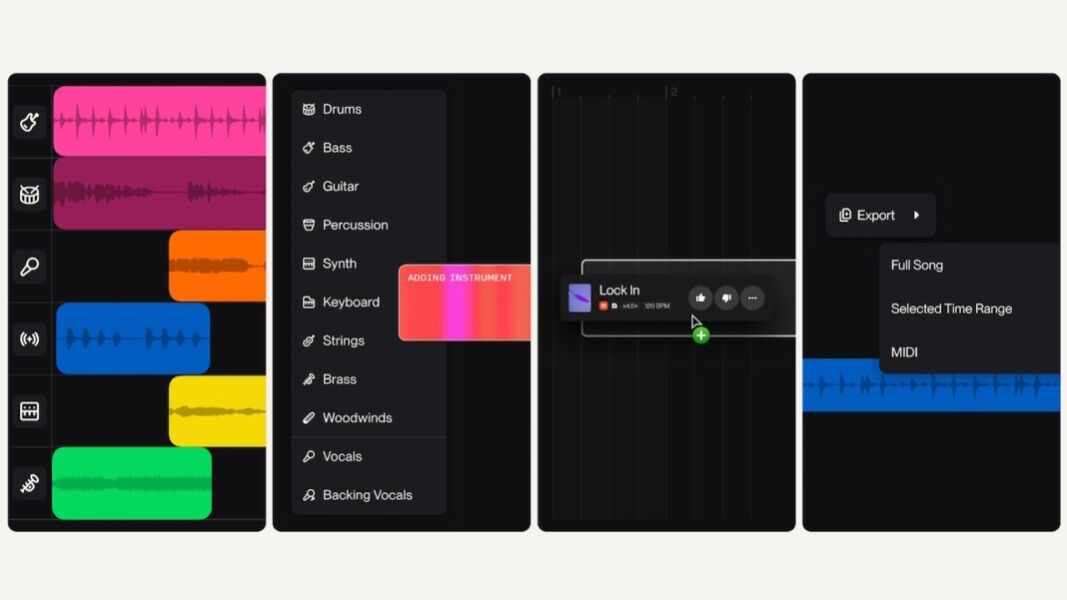
Selected participants receive grants, additional marketing funding, writing-camp collaboration opportunities, and chances to test unreleased Suno features. Suno entered the launch month with a $400 million fundraising round at a $5.4 billion valuation, giving the artist-support pitch more weight inside its wider AI music expansion.
Spark artists retain creative control and commercial rights over works made through the program. Paul Sinclair, Suno’s chief music officer, and Rosie Nguyen, frames Spark as support for artists who need resources, exposure, and a path from ideas to finished projects.
Grant Program Meets Contract Limits
Before recording, Spark participants must submit songs and videos for approval, and Suno can ask them to remove, re-shoot, or modify content. Suno’s approval requirement turns the incubator from a grant program into a managed release process.
Participants also give Suno permission to use their content, names, and likenesses for marketing during the term and afterward.
Program posts must include a clear relationship disclosure, such as #SunoPartner or another Suno-directed label.
Spark participants cannot work in a paid capacity with another AI music company for 60 days after a participant’s final Spark post goes live.
Spark’s rival-company list names Udio, Donna, Mureka, Riffusion, Produce, SOUNDRAW, Aiva, ElevenLabs, Soundful, and Amper, so the restriction reaches beyond one direct competitor.
Suno’s terms bar participants from making statements that disparage Spark or its participants during the term and afterward.
“During the Term and thereafter, You will not at any time make any statements or representations, either directly or indirectly, whether orally or in writing, that disparage Spark or its participants.”
Suno Spark fine print, Program terms (via Suno)
The terms also say the clause is meant to maintain mutual respect and includes a speaking honestly carveout for a participant’s experience in the program. Even with that carveout, approval controls, marketing rights, and rival-company restrictions give Suno leverage over a participant’s public campaign and release workflow.
Artists who leave Spark could also face returning upfront payments, depending on the termination path. For an independent musician, that potential repayment exposure can matter as much as the headline grant amount because it affects how easily a participant can walk away.
Artist Pushback, Litigation, and the AI Music Market
Spark arrives during a rights and trust fight around AI music. Universal Music Group and Sony Music are suing Suno in a $500 million copyright infringement lawsuit over training on copyrighted sound recordings. ElevenLabs secured licensing deals while Suno competior Udio also faced now partially settled lawsuits, showing how label pressure is shaping product strategy across the market.
Recording artist SZA claimed in a social media post that hundreds of her songs were used to train AI models. In the same post, she wrote, “there’s NOTHING YOU COULD EVER SAY TO ME TO MAKE THIS OKAY.”
Suno’s licensing talks with labels had stalled over downloads and sharing rights, which gives Spark’s artist terms a broader rights-holder context. Suno offers money and promotion from software that can create or edit music from prompts or audio inputs, while the program limits some choices artists might want in a fast-moving AI music market.
Critics point to Section 12 in Suno’s terms that basically prohibit criticizing Suno, questioning the framing of Spark as a simple support program.
“If you would not sign a label deal that bans you from ever criticizing the label, do not sign Spark without reading Section 12 twice.”
The AI Musicpreneur specialist analysis (via The AI Musicpreneur)
Suno Spark runs through March 2027 or longer, giving applicants time to compare grants and exposure against the control Suno keeps after content goes live. Once the first accepted Spark posts go live, Suno’s enforcement of the 60-day rival-company limit will define how much freedom artists keep after taking the grant.