- User Notices: Meta has scheduled consumer notifications after an April 17 Instagram breach exposed 20,225 listed people.
- Recovery Flaw: Attackers may have used an AI-assisted account-recovery workflow that failed to verify email ownership.
- Username Risk: Short Instagram usernames created a financial motive because recognizable handles can carry resale value.
- User Checks: Meta disabled the support system and is directing affected users to review recovery details and two-factor authentication.
Meta has scheduled consumer notifications for June 19 after a flawed AI-assisted Instagram account-recovery workflow exposed a listed 20,225 total affected people. Attacks began around April 17, and Meta identified the vulnerability on May 31 after a recovery mechanism lacked a sufficient email-ownership check.
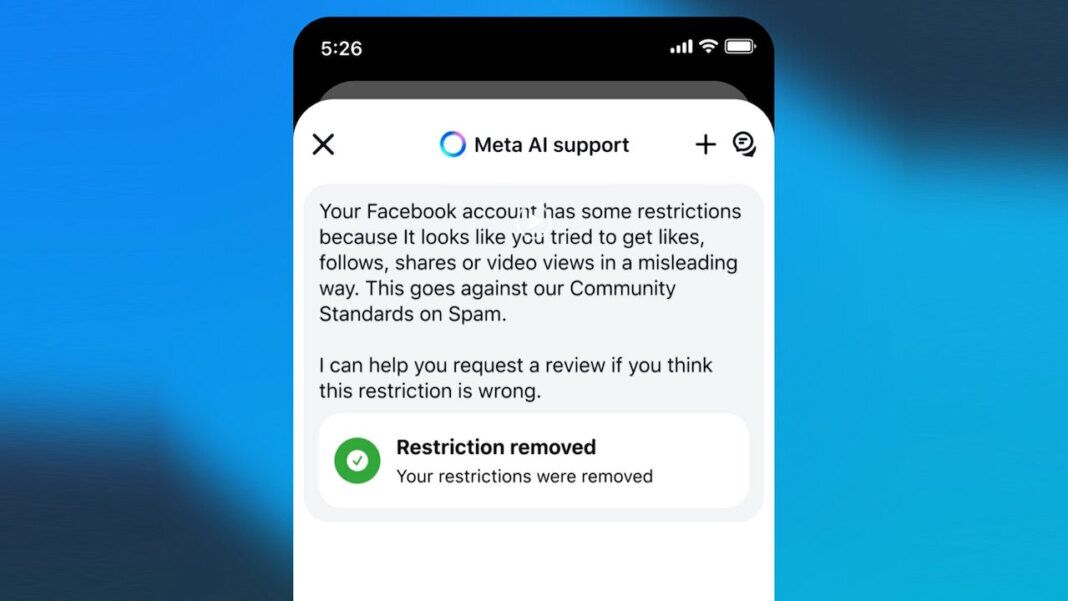
High Touch Support, Meta’s AI-assisted Instagram account-recovery workflow, was built to help locked-out users regain access. In the incident, attackers could push resets through addresses that did not belong to the target account, turning a help workflow into an account-takeover route. Meta later disabled the support system and its generated reset links, while Meta spokesperson Andy Stone wrote: “This issue has been resolved and we are securing impacted accounts.”
How the Recovery Tool Became an Attack Route
Attackers used an email-verification flaw in a recovery path with authority over password resets, then pushed control toward an address supplied by the attacker rather than the account owner. Amber Hannah, Meta associate general counsel for incident response legal, tied the failure to a separate code path that did not match the requester-supplied email address with the address on the Instagram account.
That flaw remained narrow but powerful. A support tool could function as intended while a separate ownership check failed at the decisive moment.
Earlier Instagram recovery-flow abuse gives the incident immediate context. In one recovery method, Meta’s AI support assistant added an email address to an existing account as part of the standard password reset flow, sent that address a one-time code, and allowed a reset. Attackers did not need takeover of the legitimate linked email address on the victim’s Instagram account.
Some attackers also used VPNs to make their location look closer to the target, which could reduce automated account-protection friction. Multi-factor authentication, an extra login check beyond a password, became an important boundary because the exploit could fail against accounts with that protection enabled.
Password-reset and email-change mechanics explain why the missing ownership check mattered. Email-change authority created the opening, and multi-factor authentication helped decide whether that opening produced only a reset request or a takeover path.
User Impact and Account Value
Some Instagram users have received alerts about suspicious activity that suggested their accounts may have been compromised. Short or recognizable usernames added a financial motive because valuable short handles can carry resale value in gray markets.
A takeover can force users to inspect recovery email, login prompts, recent account changes, and security settings rather than only replace a password. Recovery email, login prompts, and account settings can become part of the cleanup if control has shifted.
Security researcher Jane Manchun Wong’s account symptoms centered on password-reset activity she did not initiate. The sequence included a password change made without her knowledge.
“The password got changed without my knowledge and I was getting different password reset attempts throughout yesterday.”
Jane Manchun Wong
Wong’s account is an illustrative victim example, not proof that every listed account saw the same sequence. Advertisements for handles claimed to be hacked may have continued after Meta’s initial fix statement. Because it depends on attacker and community-channel material, the allegation is narrower than the official affected-count and breach-date fields.
Meta Sets User Notice Date
Meta introduced an AI-powered support assistant in March for account and safety tasks such as password resets, two-factor authentication enrollment, and access recovery. Account-support automation required the same ownership checks as login security because Meta’s March assistant put reset links, account emails, and security prompts downstream from the recovery decision.
Even without shared credentials, the recovery workflow created risk because the decisive failure sat outside a normal login attempt. Victims may need to review recovery addresses, login prompts, recent account changes, and multi-factor settings, while Meta has to verify that account-support automation cannot add a new email address without matching the actual account owner.
Potentially impacted users are expected to receive account-security review notices and prompts to enable two-factor authentication. During cleanup, some users may see password-reset notifications or security prompts when they try to log in. Meta’s scheduled consumer notifications will direct potentially affected users toward account access, recovery email, reset prompts, and multi-factor settings.